










Simulation tools have come a long way. What used to be the domain of high-powered desktops and specialized hardware is now becoming more flexible, more accessible, and most importantly, more collaborative. If your engineering team is still relying on traditional, desktop-based simulation tools, it might be time to ask: Is it worth making the move to cloud-based simulation?
Let’s explore what’s changing in the world of simulation, and why so many organizations are now rethinking how (and where) they run their simulations.
The Shift: From Standalone Software to Connected Experiences
For years, simulation tools like Abaqus, CST Studio Suite, and others under the SIMULIA brand were mostly tied to local machines. You needed a license installed on your workstation, the right hardware to run big jobs, and IT support to keep everything running smoothly.
SIMULIA is evolving with a new approach that emphasizes cloud accessibility, flexible licensing, and an all-in-one platform through 3DEXPERIENCE.
The idea? Bring simulation out of the silos and into the bigger picture of design, collaboration, and innovation.
Why Cloud-Based Simulation Is Worth Considering
You’ve probably heard the buzz about cloud-based tools, but what does that really mean for engineers and product developers? Here are a few practical benefits:
1. Work Anywhere, Anytime
Cloud-based simulation means you’re no longer tied to a specific computer or office network. Whether you’re at your desk, working remotely, or collaborating across time zones, your tools and data are accessible from anywhere. That’s a big win for hybrid and distributed teams.
2. Simplified Licensing, Greater Flexibility
One of the biggest changes in SIMULIA’s new model is how licensing works. Instead of purchasing separate licenses for different tools or modules, the new unified licensing model gives you access to a broad portfolio of simulation apps using a single set of “tokens.”
This lets teams scale up or down as needed, no more juggling seat counts or dealing with surprise budget hits when you need to add capabilities mid-project.
3. No More Hardware Headaches
Large simulations require serious computing power. In the past, that meant investing in expensive workstations or dedicated servers. With cloud simulation, heavy computational lifting happens offsite secure, high-performance servers.
This removes the need to manage your own hardware while giving you access to processing power that might have been out of reach before.
4. Collaboration Without the Chaos
Traditional simulation tools can be isolated from other parts of the product development process. Cloud platforms like 3DEXPERIENCE bring everything together CAD models, simulation results, design reviews, and documentation all live in the same ecosystem.
That means fewer file transfers, fewer miscommunications, and a lot more teamwork.
What About the Learning Curve?
Switching to cloud-based simulation might sound like a big change and in some ways, it is. But there are steps in place to make the transition as smooth as possible. The 3DEXPERIENCE platform includes built-in learning paths and role-based tools, meaning that users only see the features and interfaces they actually need.
If your team is already familiar with tools like Abaqus or CST, many of the core workflows stay the same just with better integration, scalability, and visibility across the organization.
Is Now the Right Time to Switch?
Making the move to cloud-based simulation isn’t just about technology it’s about staying competitive. Today’s products are more complex, development timelines are tighter, and customer expectations are higher than ever. Cloud simulation gives you the agility to respond faster, test more ideas, and bring better products to market.
Whether you’re a small team looking to expand your capabilities or a larger organization planning for long-term growth, cloud-based simulation tools are becoming less of a luxury and more of a necessity.
Final Thoughts
Cloud simulation isn’t just a trend it’s a reflection of how modern engineering is evolving. With a flexible licensing model, powerful computing resources, and built-in collaboration tools, SIMULIA’s shift to the cloud is opening new doors for innovation.
If you’re curious about what the cloud could do for your simulation workflows, now might be the perfect time to explore your options.
Categories
Related Content
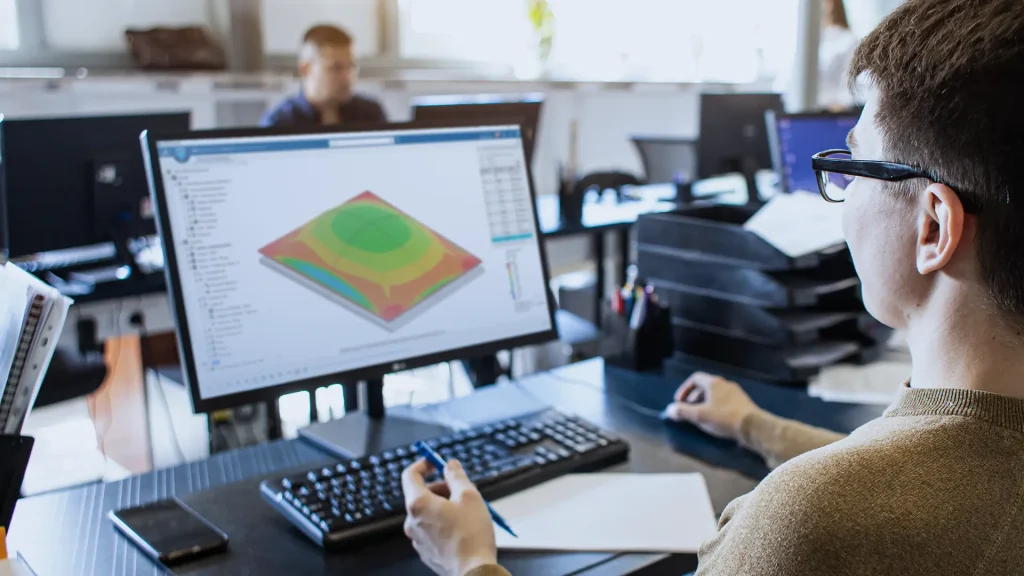
Simulation Training
Discover our simulation training courses for SIMULIA, Abaqus, XFlow and other 3DEXPERIENCE tools. We offer virtual, classroom, onsite and bespoke courses. Contact us for advice and booking.

5 Ways Simulation Enhances Tire Engineering
The automotive industry is constantly evolving, and tire engineering is no exception. With increasing demands for durability, performance, and sustainability, tire manufacturers must innovate faster than ever. This is where simulation technology, particularly SIMULIA, plays a transformative role. SIMULIA enables engineers to test, refine, and perfect tire designs virtually before they ever reach the road….
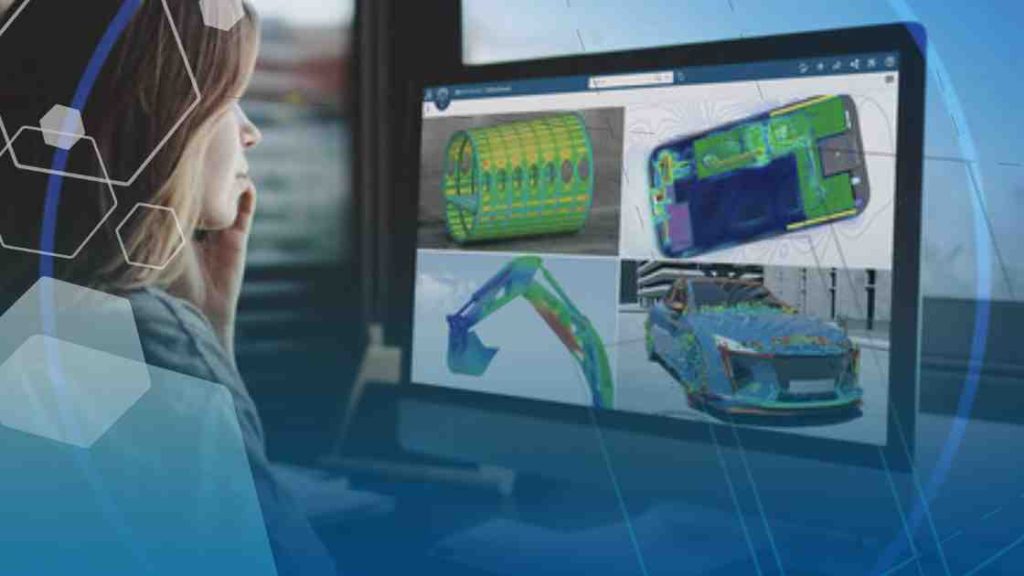
SIMULIA Unified Licensing: How and Why
The new SIMULIA Unified licensing from Dassault Systemes provides many benefits and capabilities, some of which were previously unavailable. As is often the case, with greater capability comes greater complexity. Join us as TriMech Product Manager, Jeremy Fejfar dives into the complexity and how it can be advantageous to have a proper understanding of how…