










The automotive industry is constantly evolving, and tire engineering is no exception. With increasing demands for durability, performance, and sustainability, tire manufacturers must innovate faster than ever. This is where simulation technology, particularly SIMULIA, plays a transformative role. SIMULIA enables engineers to test, refine, and perfect tire designs virtually before they ever reach the road. Here are five ways simulation enhances tire engineering and why it is an indispensable tool for the future of mobility.
1. Optimizing Tread Design for Performance and Safety
Tread design is one of the most critical aspects of tire performance. It determines how a tire grips the road, handles in different weather conditions, and resists wear over time. Traditionally, optimizing tread patterns required extensive physical testing, which was both time-consuming and costly.
With SIMULIA, engineers can use advanced finite element analysis (FEA) to simulate tire-road interactions in a virtual environment. This allows them to evaluate multiple tread patterns quickly, assessing factors like water dispersion for wet traction, cornering stability, and rolling resistance. By running these simulations early in the design process, manufacturers can create tires that offer superior grip, safety, and longevity without excessive prototyping.
2. Enhancing Durability and Wear Prediction
Tire wear is a complex phenomenon influenced by numerous factors, including road conditions, temperature, and driving behavior. Predicting how a tire will wear over time is essential to ensure its longevity and performance.
SIMULIA provides powerful wear prediction tools that allow engineers to model the real-world forces acting on a tire. These simulations can accurately predict wear patterns, enabling manufacturers to fine-tune their rubber compounds and structural designs to maximize durability. By reducing premature wear and enhancing resilience, simulation helps create longer-lasting tires that improve both consumer satisfaction and environmental sustainability.
3. Reducing Rolling Resistance for Fuel Efficiency
Rolling resistance directly impacts fuel efficiency and CO2 emissions. A tire with high rolling resistance requires more energy to move, leading to increased fuel consumption in traditional vehicles and reduced battery range in electric vehicles.
Using SIMULIA, engineers can simulate and optimize tire deformation, ensuring minimal energy loss while maintaining essential performance characteristics. This involves analyzing material behavior, air pressure effects, and heat generation within the tire structure. By identifying design improvements in a virtual environment, manufacturers can develop low rolling resistance tires that contribute to fuel savings and sustainability goals.
4. Improving Noise, Vibration, and Harshness (NVH) Performance
A quiet and comfortable ride is a major consideration for modern consumers, especially with the rise of electric vehicles where tire noise becomes more pronounced due to the absence of engine sounds.
SIMULIA enables engineers to conduct detailed NVH simulations, identifying sources of unwanted vibrations and noise. Through virtual testing, they can experiment with different material compositions, tread designs, and structural reinforcements to minimize these issues. As a result, manufacturers can produce tires that offer a smoother, quieter driving experience without excessive trial-and-error prototyping.
5. Accelerating Innovation and Time-to-Market
Traditionally, tire development relied heavily on physical prototypes and real-world testing, leading to long development cycles and high costs. With the competitive pressures in the automotive industry, companies need to bring new products to market faster without compromising quality.
SIMULIA streamlines the entire tire development process by enabling virtual prototyping and testing. Engineers can explore new materials, experiment with novel designs, and conduct regulatory compliance tests entirely within a digital environment. This significantly reduces the number of physical prototypes required, cutting costs and accelerating innovation cycles. As a result, manufacturers can stay ahead of market demands while maintaining high standards of safety and performance.
Conclusion
Simulation technology, and specifically SIMULIA, is revolutionizing tire engineering by making the design and testing process more efficient, accurate, and cost-effective. From optimizing tread patterns and enhancing durability to reducing rolling resistance and improving NVH characteristics, simulation empowers engineers to create superior tires faster than ever. As the automotive landscape continues to evolve, leveraging advanced simulation tools will be key to meeting the demands of performance, safety, and sustainability. By integrating SIMULIA into their workflow, tire manufacturers can push the boundaries of innovation and deliver next-generation tires to consumers with confidence
Categories
Related Content

Transform Your Drone Program with TriMech Enterprise Solutions
Transform Your Drone Program with TriMech Enterprise Solutions through the adoption of Simulation, PLM, Operations, and Digital Manufacturing solutions, all connected to provide a single...
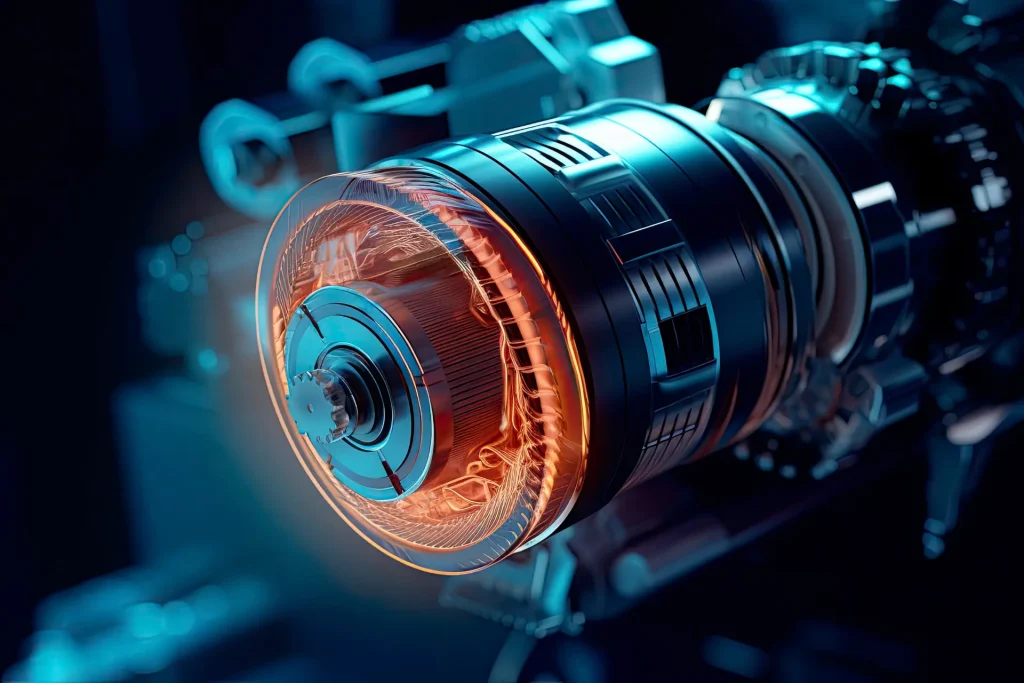
SIMULIA Manatee
SIMULIA Manatee software provides a collaborative simulation and analysis environment for analyzing the e-NVH (electromagnetic noise and vibration) performance of electric machines and drives from...

How to Transition from SIMULIA / Abaqus V5 to 3DEXPERIENCE: A Practical Migration Guide
If your engineering team has been relying on SIMULIA or Abaqus V5 for years, you’re not alone. These tools have long been the gold standard…