







Transform into the New Age with Digital Manufacturing
It is becoming increasingly clear that those in the manufacturing sector need to look to streamline their processes, review their operations and look to new innovative technology to ensure they can become, and remain, an industry leader.
With a clear necessity for greater focus on sustainability, efficiency and the ever-growing need for digitisation, it is essential that manufacturers understand the need to encompass and implement these principles if they hope to rise to the challenge of entering the new age of digital manufacturing.
Our Digital Manufacturing Solutions

01 SUSTAINABLE OPERATIONS
With Sustainability at the forefront of our minds in light of the current climate change and global warming situations, find out more about sustainable manufacturing:
- What is sustainable manufacturing?
- What are the benefits?
- Why is it vital?
- What are the success pillars of sustainable manufacturing?
02 EFFICIENT PRODUCTION
Efficient production leads to more dependable, higher-quality products faster and for less money. Find out more about how you can implement better efficiency:
- What is lean manufacturing?
- What challenges do manufacturers face?
- How can agile manufacturing allow you to innovate, optimise, and plan ahead?
03 Digitisation
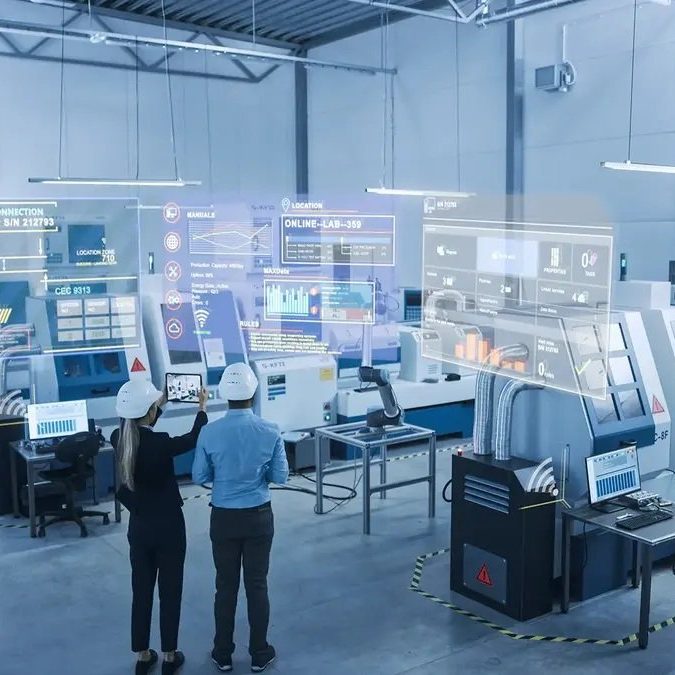
Find out how digital manufacturing can connect your systems and processes across all sectors of production, allowing you to align yourself with industry leaders:
- Navigating the Complexities of Robotics
- How do Virtual Twins fall into the mix?
- How do digital manufacturing and augmented reality work together?

01
Sustainable Operations
Driving Sustainable and Responsible Manufacturing Forward
The necessity for businesses to re-evaluate their business plans in light of climate change and global warming is becoming increasingly apparent. In order to achieve business viability, social justice and environmental integrity must coexist. Not only this, but there are many advantages to adopting sustainable manufacturing processes.
Why Adopt sustainable manufacturing?:

What are the success pillars of sustainable manufacturing?
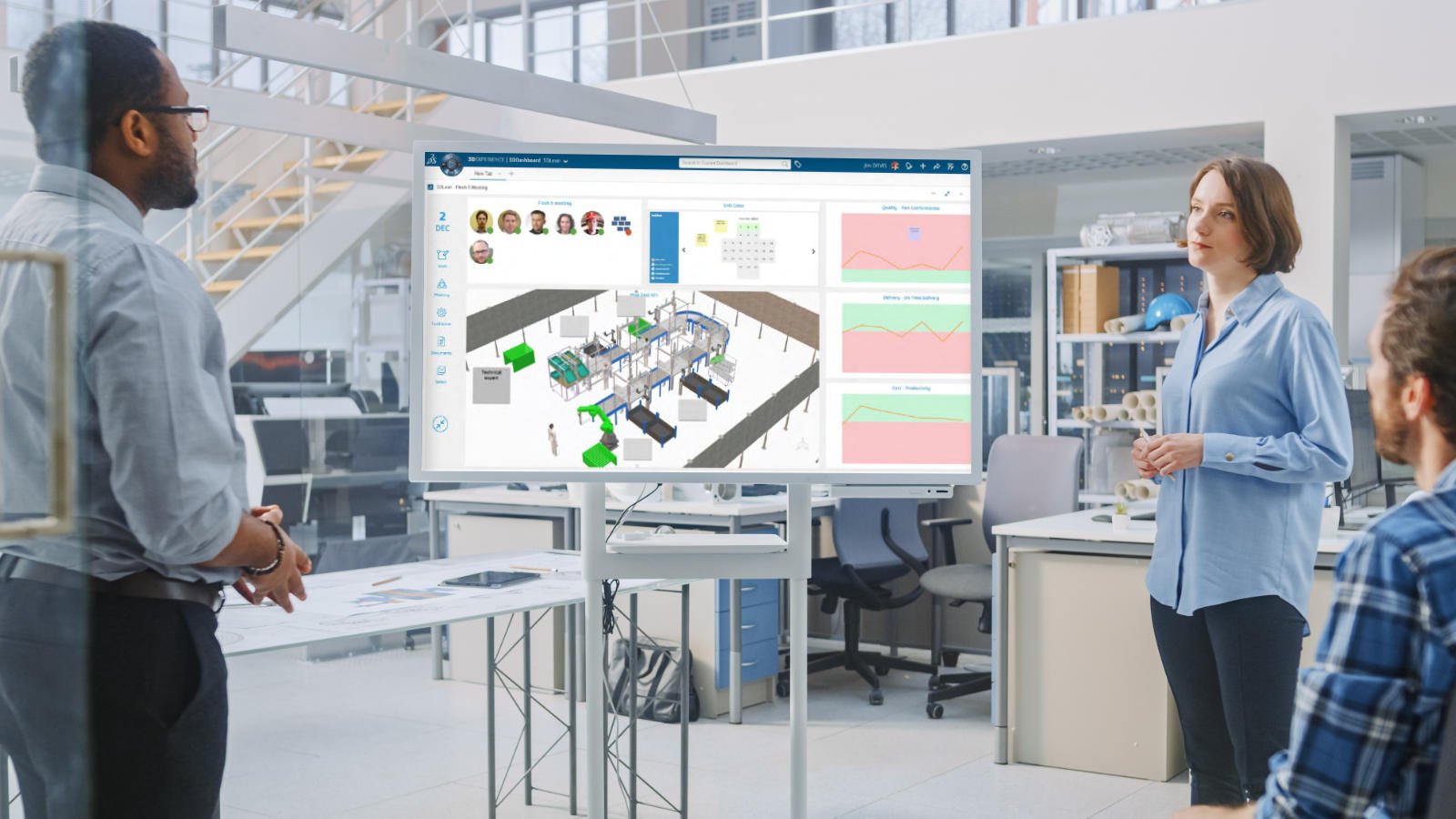
Optimise Global Operations and Drive Sustainable Manufacturing with Digital Factories
Sustainable manufacturing is essential, rather than an option. It goes further than merely putting a zero-waste plan into action or raising energy efficiency. Innovation for social responsibility focuses on minimising environmental impact and creating a system that is more sustainable.
Factories of the future must have an underpinning digital infrastructure in order to be sustainable, and every link in the expanded production chain must be highly synchronised in terms of communication and interaction.
Find out more about how optimising your global operations could benefit you in the endeavour for a sustainable future.
02
Efficient Production
Streamline manufacturing with Lean and agile production
Manufacturing has seen a considerable transition since the concept of having an integrated process to better manage its employees, materials, and equipment throughout the production cycle was created.
Lean and agile manufacturing are production strategies that aim to reduce waste, minimise delays, and increase productivity by streamlining the process and creating value for the customer.
By adopting these manufacturing principles, you allow yourself to offer more dependable, higher-quality products faster and for less money.
What challenges are lean manufacturers facing?:
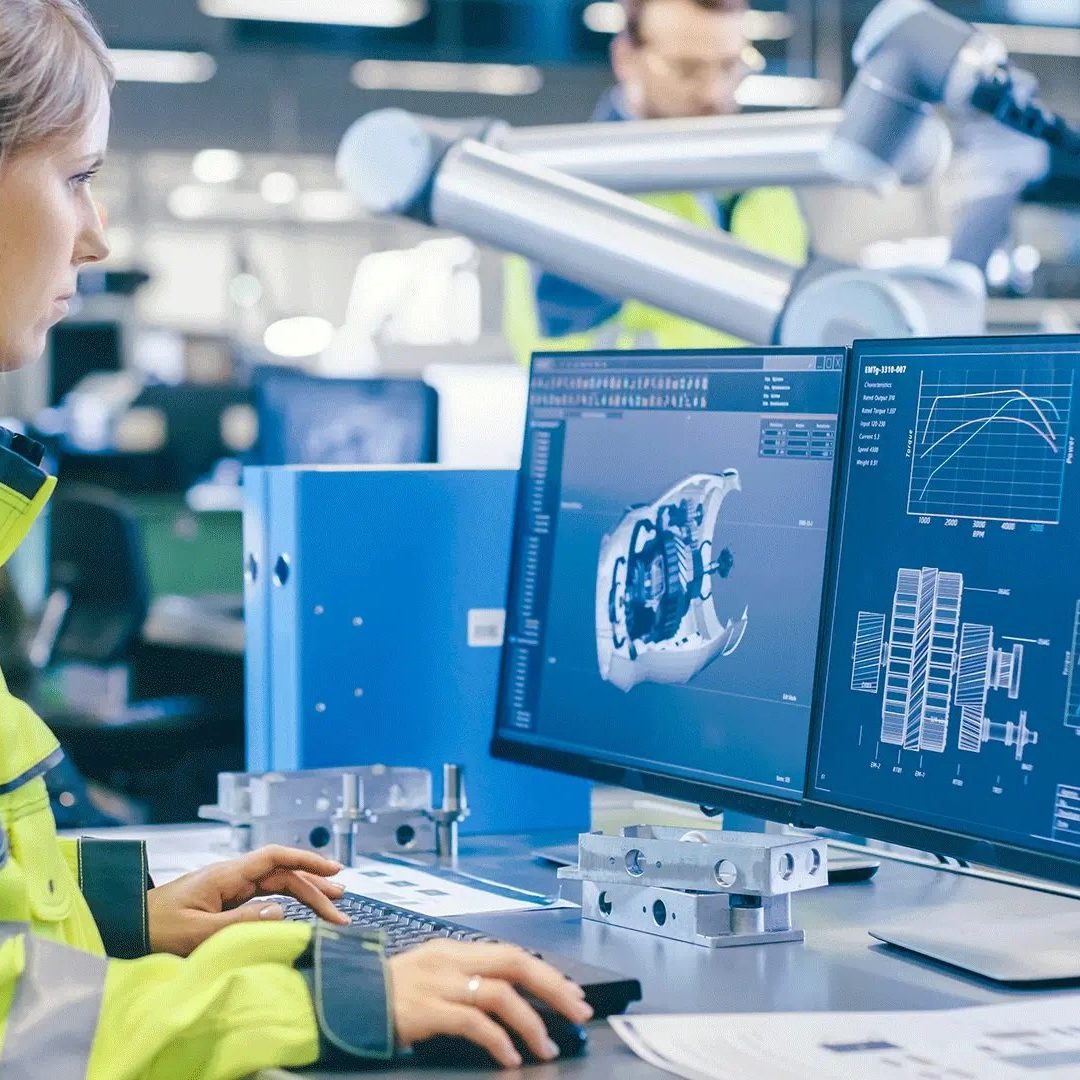
Discover how you can Streamline Engineering to Manufacturing to Deliver Innovation
The manufacturing environment has changed hugely in recent years. Due to the economy's changes and clients' constantly shifting demands, businesses today need to function in new ways.
Firms must rethink their product development processes to become more efficient through transformational solutions.
Are your items manufactured-ready? Or do your engineering and manufacturing teams work separately, obstructing communication and increasing the time it takes to market?
Find out how streamlining your engineering and manufacturing processes can give you a competitive edge.
Agile Manufacturing
Disruptions in the manufacturing sector have been growing in both frequency and magnitude, including geopolitical upheavals, climate-related catastrophes, and public health crises.
Only companies and organisations that have survived the storms and successfully re-emerged are those that have been able to preserve flexibility, become more agile and adjust to market needs and conditions.
With manufacturers constantly facing more and more challenges, it is essential to understand how to face these obstacles; we would suggest agility is the answer to this need.
03
Digitisation
Robotics & augmented reality Driving Faster, Smarter, Efficient Manufacturing
With an ever-depleting workforce pool, robotics has allowed the manufacturing sector to rethink how it operates in a field today driven by modern expectations and customers who want more personalised, higher-quality items delivered quickly without a high price tag.
Robots have a wide range of talents that enable them to perform required tasks right away after only being told once. This is not to say that robots do not come with their own complexities, however. Find out more about how you can bridge the gap with robot automation.
How do digital manufacturing and augmented reality serve businesses?
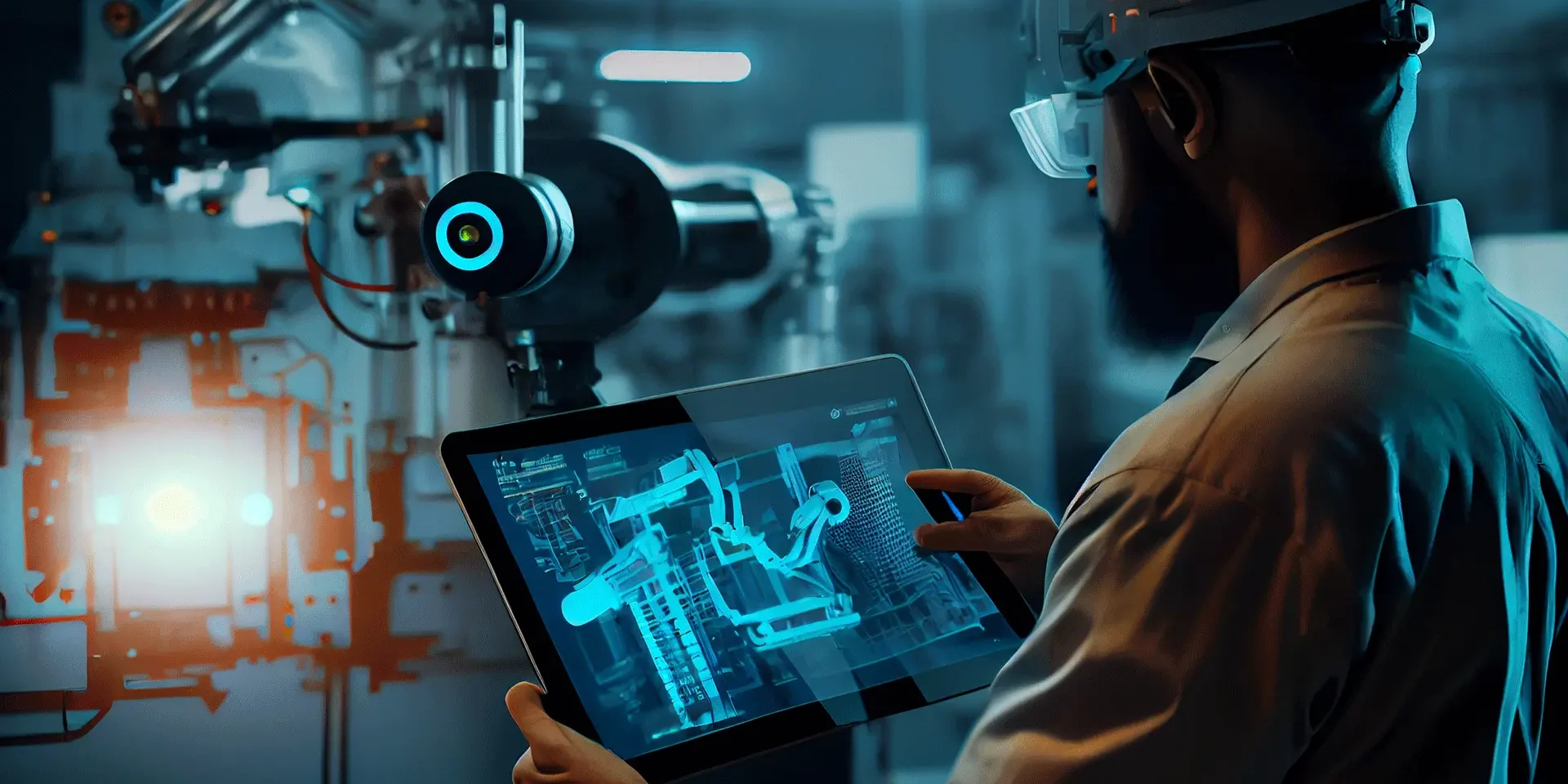
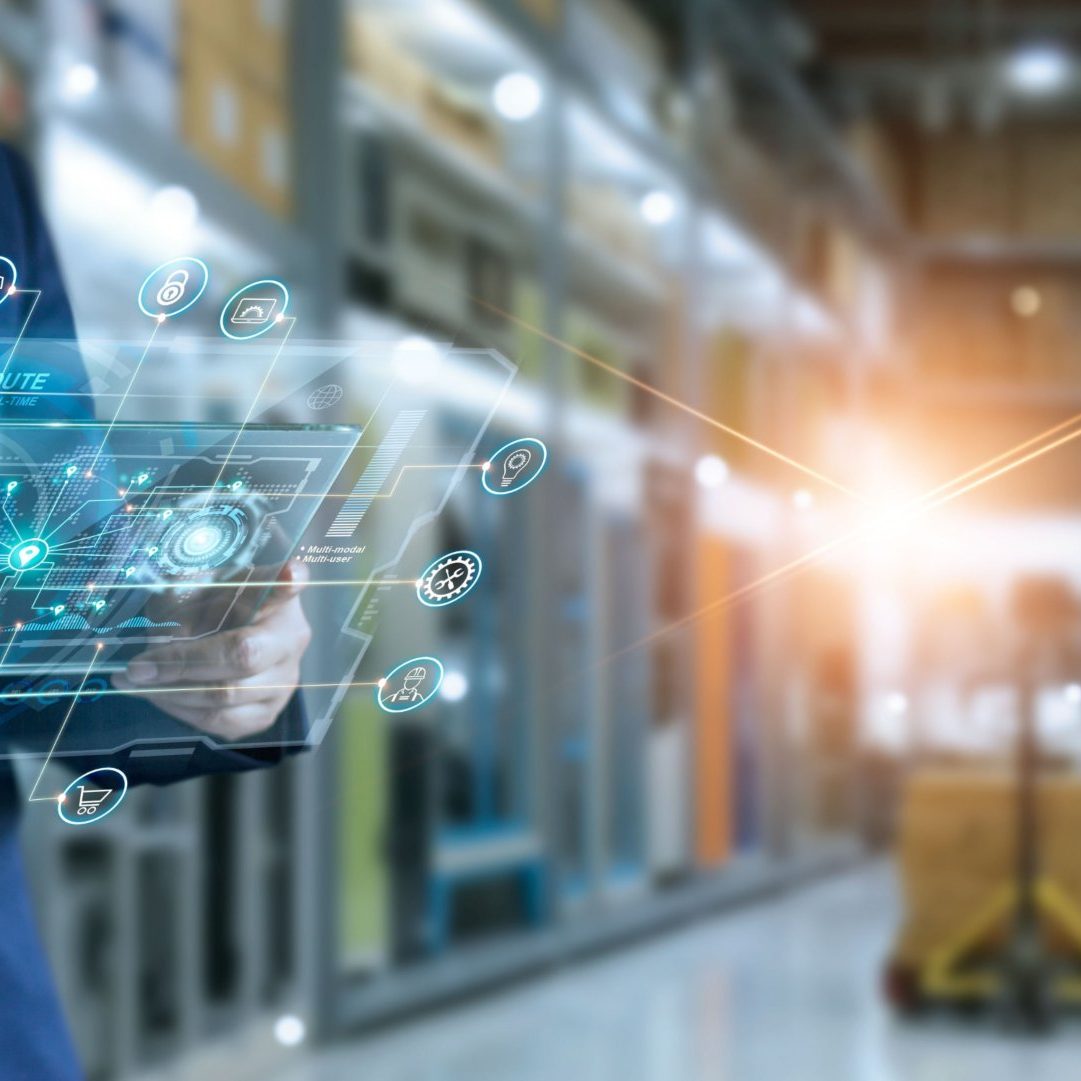
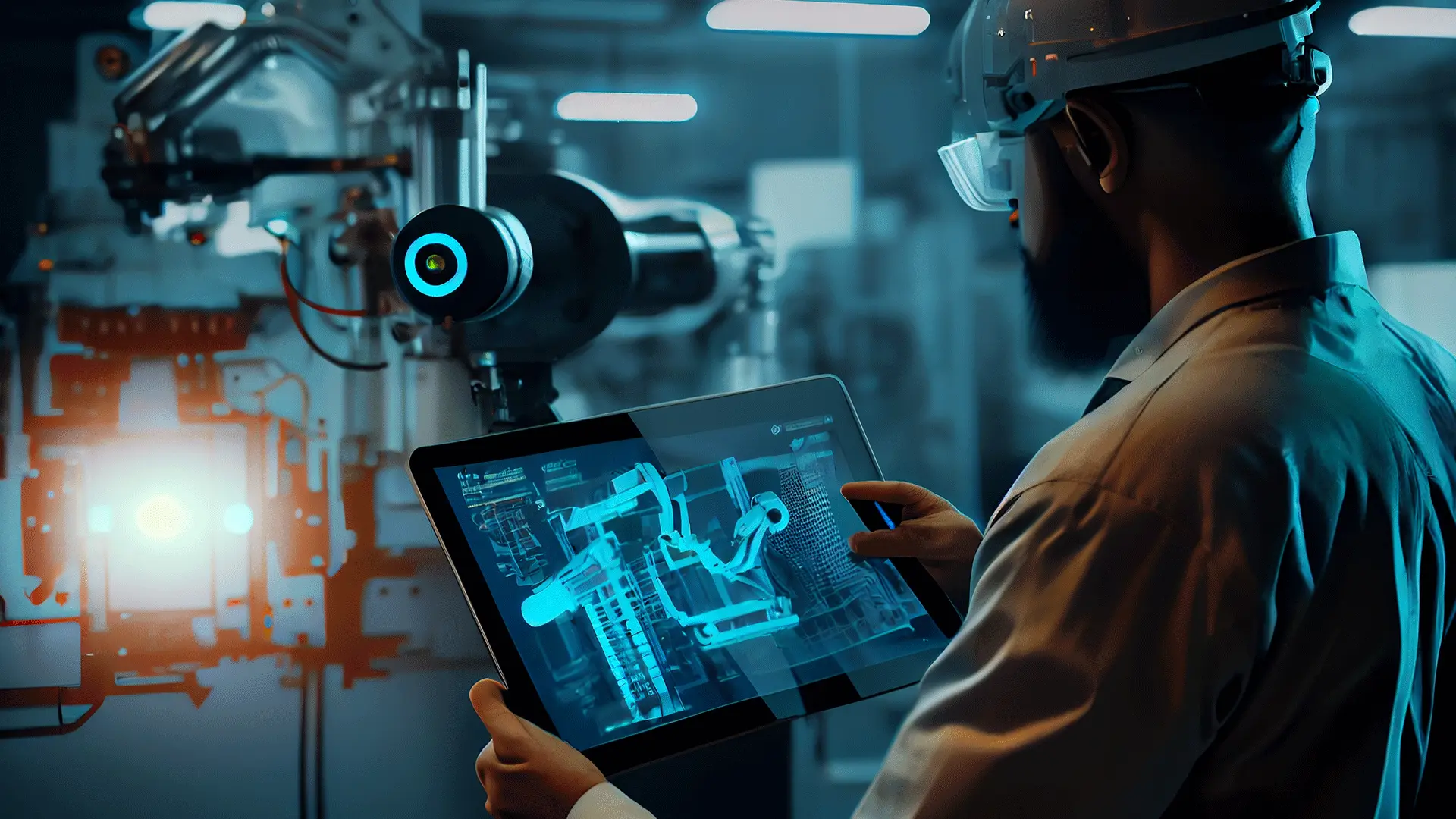
In the current digital manufacturing sphere, augmented reality is becoming more and more prevalent and is allowing manufacturers to seamlessly integrate the actual and virtual worlds via digital technology. Digital manufacturing and augmented reality allowing businesses to:

3D Robot Programming; How Can it Help to Streamline Production and Reduce Costs?
You can lower your costs and streamline your production in a number of ways by using 3D robot programming. By taking advantage of high-quality, collision-free programs that talk in the robot's native language, you can do away with field workarounds and guarantee that production is optimised for efficiency and up and running quickly.
What other challenges are facing robot programmers?
- Increased Complexity
- Speed
- Cost Reduction
- Accuracy
Virtual Twin Technology
Virtual Modelling, Collaboration, and Optimisation for Flawless Execution
By using real-world data to fuel dynamic virtual models of actual products, buildings, assets, and processes, organisations can collaborate with manufacturers to model, optimise, and carry out tasks effectively.
Manufacturers can design the best methods to meet their commercial and sustainability goals by simulating the results of various scenarios in a virtual model.
Find out more about how Virtual Twin Technology can aid you in your digital manufacturing endeavours.
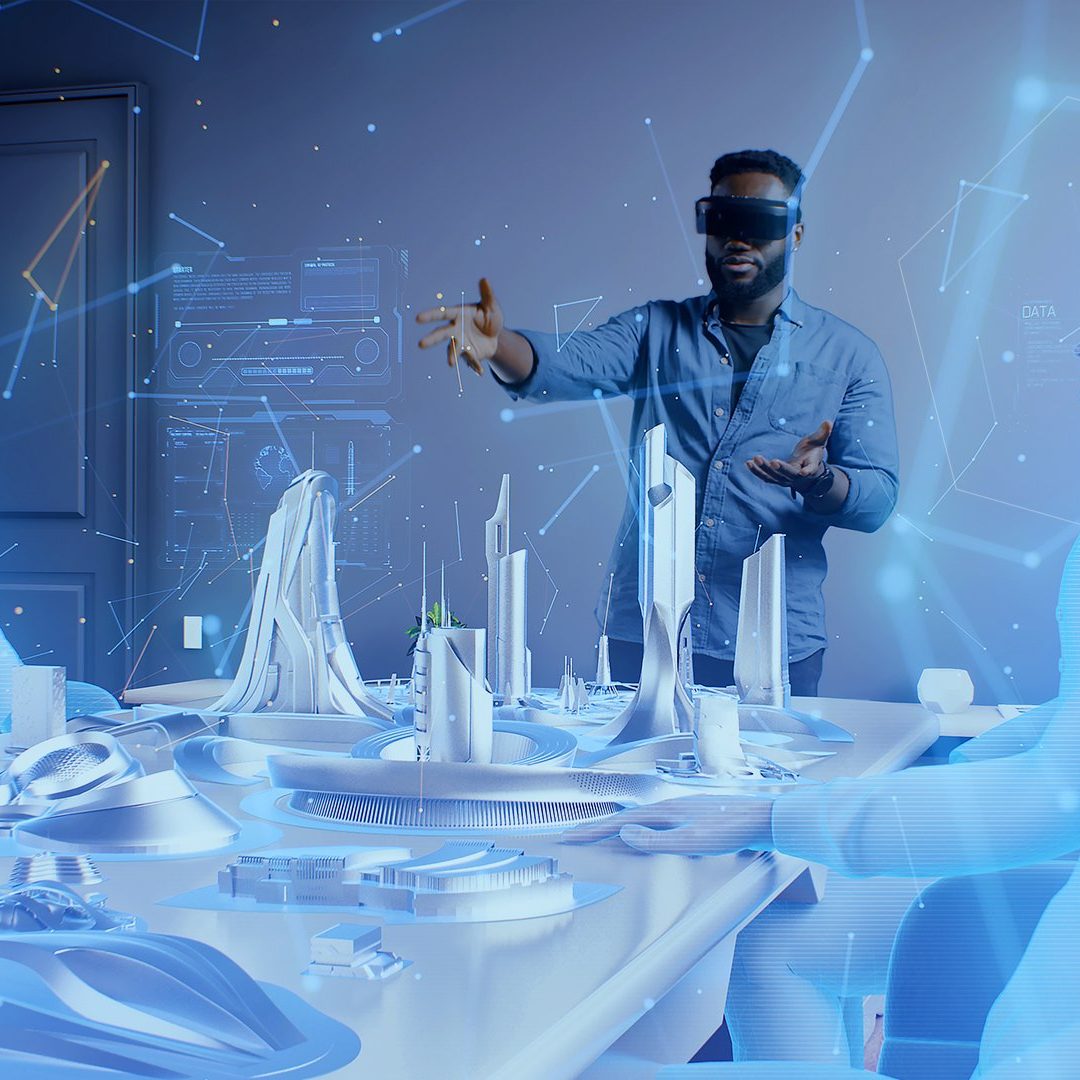

Factory Simulation
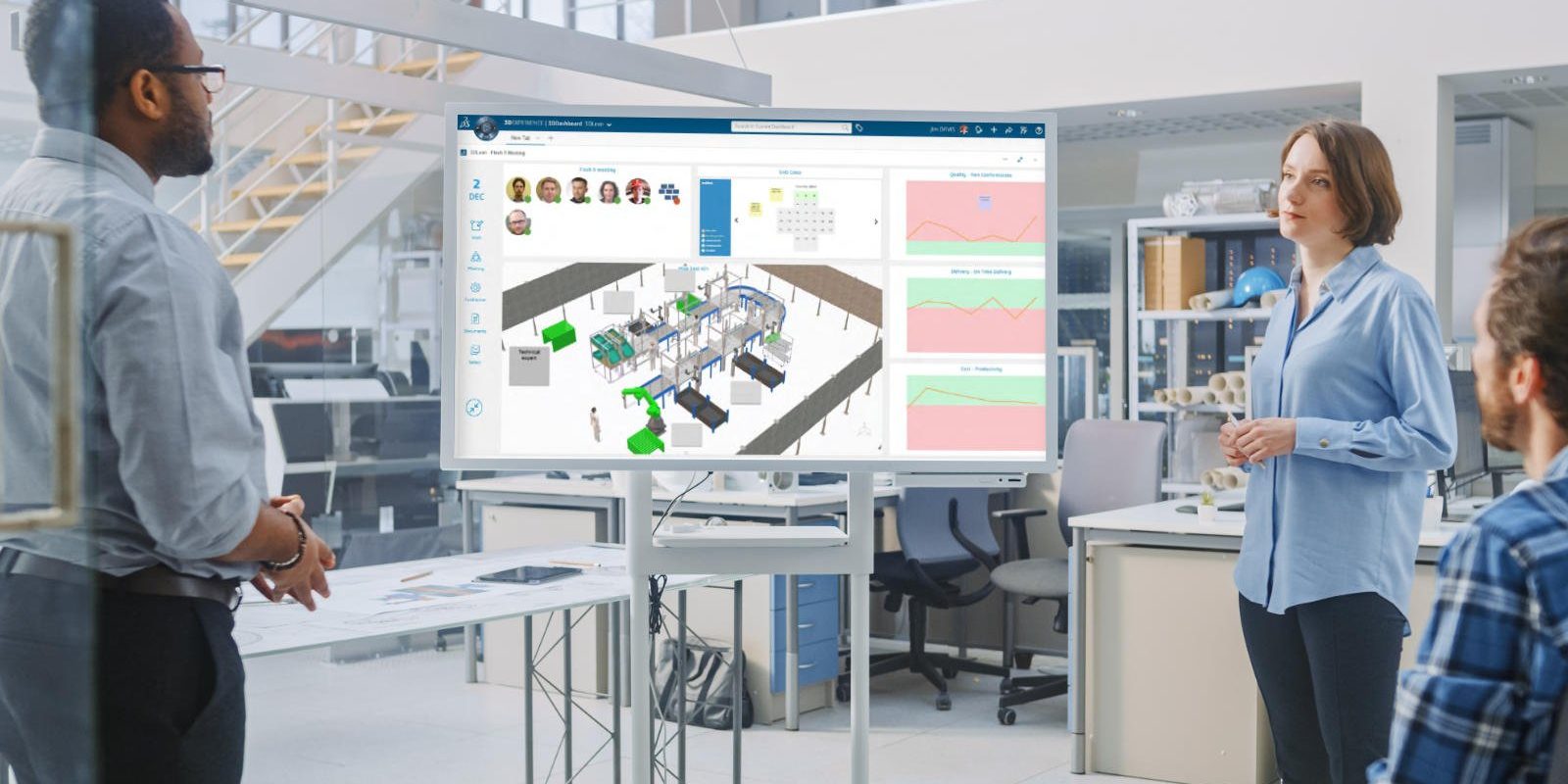
By utilising a Virtual Factory in your digital manufacturing process, you can have a huge impact on your output.
Comprising two distinct areas (Factory Planning & Layout and Manufacturing Flow & Simulation) our Virtual Factory solution enables you to define and simulate your plant layout, flow, assets and resources needed to produce products efficiently and in a safe environment and enrich your product and resource definition.
Find out more about how Factory Simulation can have a real-life effect on your processes.
Other Related Content
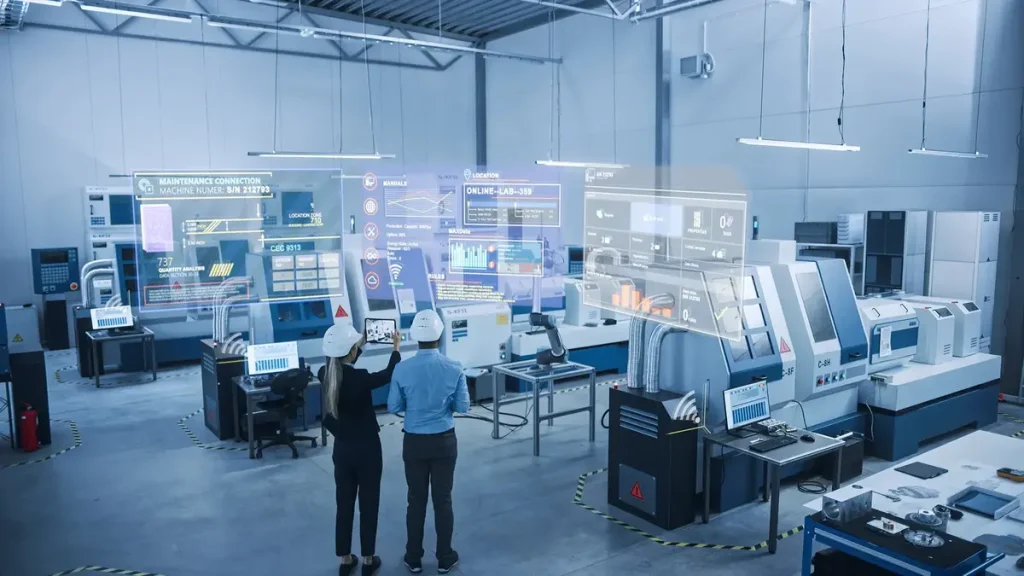
Optimise Global Operations for a Sustainable Future with Digital Factories
The necessity for businesses to re-evaluate their business plans in light of climate change and global warming to create a sustainable future is becoming increasingly apparent.
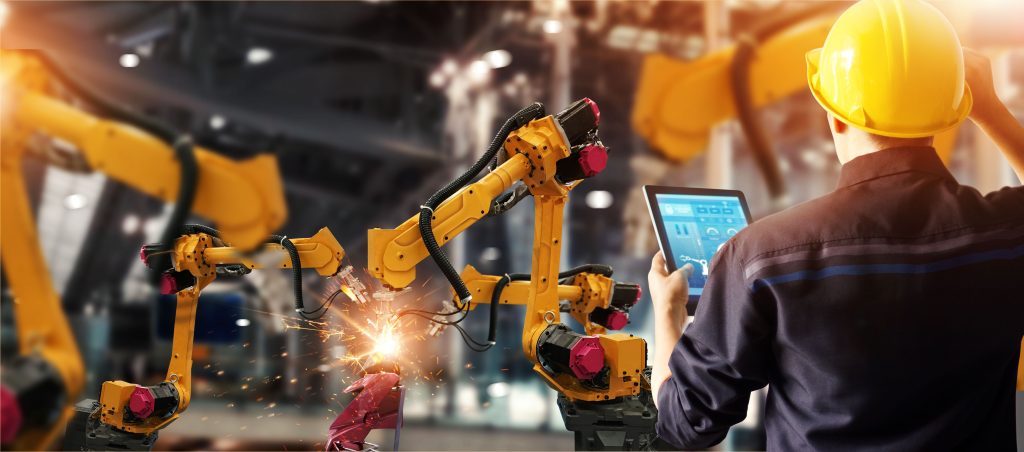
The Rise of Robotics in Manufacturing
The challenge of an ever-depleting workforce pool can be solved, in part, with the help of robotics in manufacturing.
Reach Net Zero: Advance Your Sustainability Goals With Our 3DEXPERIENCE Lifecycle Assessment
Our 3DEXPERIENCE Lifecycle assessment quantifies the environmental impact of end-to-end business products and services, from sourcing raw materials to the logistics and delivery of finished goods.
RELATED CONTENT
CONSTRUCTION INDUSTRY INSIGHTS

How is Virtual Twin Technology Reshaping Sustainable Building Design?
Discover the 3 key areas to consider for a sustainable building design roadmap for commercial and residential projects.
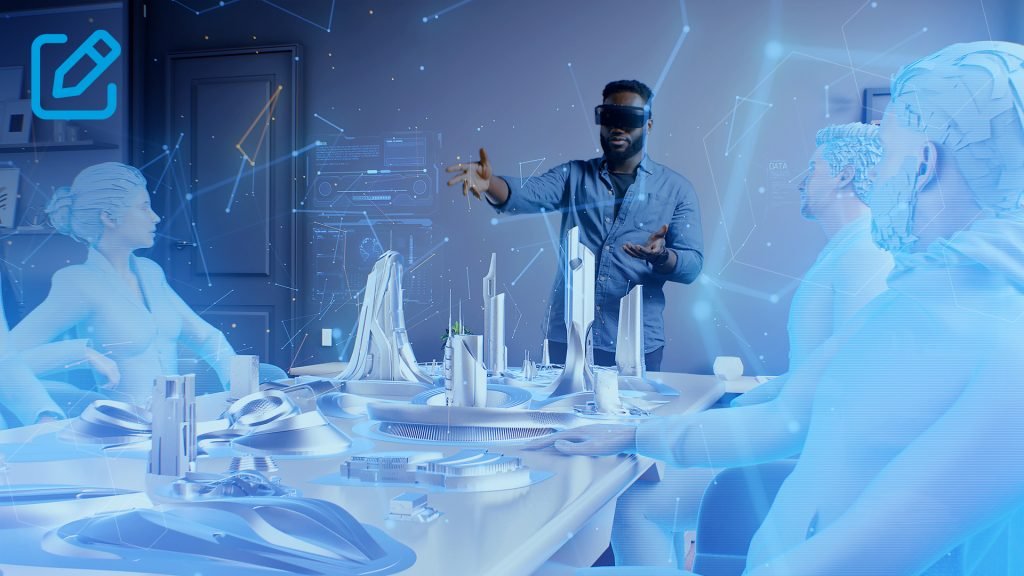
Optimising design, manufacturing, and construction with Virtual Twin Technology
Learn how virtual twin technology tackles siloed working, enabling better collaboration, control of the value chain, contractual coherence and data-driven decision-making.

The Shift from Problem-Solving to Future Testing and the Revolution of the AEC industry
Discover The Shift from Problem-Solving to Future Testing and the Revolution of the AEC industry and how this is driving the transition to digital.