











What is Model-Based Systems Engineering (MBSE)?
CATIA Magic uses model-based systems engineering to empower companies to formalise the application of modelling to support system requirements, design, analysis, verification, and validation.
This begins at the conceptual design phase, continues throughout the product development cycle, and into the lifecycle phases, ensuring a full, end-to-end connected process for systems engineering.

What are the benefits of MBSE?
Consistent, Accurate and collaborative
MBSE allows for a set of visual representations based on a consistent and complete system model, which reflects multiple viewpoints of the system. These representations can be either static or dynamic (simulation), descriptive or predictive. It improves understanding, early in the development phase, system behavior as a functional digital twin of the product.
Video Introduction
3DEXPERIENCE for Systems Engineering?
RESOURCES
Model-Based Systems Engineering Resources
Explore TriMech resources designed to guide you through the evolving landscape of Model-Based Systems Engineering (MBSE). Begin with our foundational introduction to MBSE, where core principles are unpacked to help you understand how digital continuity and data-driven design are transforming engineering processes.
Then, delve into our in-depth webinars, where industry experts explore real-world applications. These sessions offer valuable insights into how MBSE integrates seamlessly with cutting-edge design, simulation, and production technologies.

Robust and Proven Software
From No-Magic to CATIA Magic
In 2018, Dassault Systèmes completed the acquisition of No Magic (the leader in model-based systems engineering, and modeling solutions for software architecture and business processes) to strengthen its foothold in Systems Engineering and in order to facilitate new connected experiences.
The No Magic solutions are integrated on the 3DEXPERIENCE platform to develop a best-in-class Model-based System Engineering and System of Systems Engineering solution and offering called CATIA Magic. The CATIA Magic solutions are the most robust and standards compliant MBSE solutions in the market.
A Complete Solution
Discover the CATIA Magic Portfolio

Magic System of Systems Architect
The Magic System of Systems Architect package fully supports all the architectural framework, while leading the integration of systems of systems engineering, ensuring that you achieve net-centric success.

Magic Cyber-Systems Engineer
The Magic Cyber-Systems Engineer package provides smart, robust, and intuitive tools to define, track, and visualize all aspects of systems.
This package enables systems engineers to run engineering analysis for design decisions evaluation and requirements verification.

Magic Software Architect
The Magic Software Architect package facilitates analysis and design of Object Oriented (OO) systems and database and provides the industry's best code engineering mechanism, as well as database schema modeling, DDL generation and reverse engineering facilities.

Magic Model Analyst
The Magic Model Analyst package is the first industry extendable model execution framework based on OMG fUML and W3C SCXML standards.
This package allows users to virtually predict system behavior and analyze the system for completeness, consistency, traceability, and contradiction checking.

Magic ALF Analyst
Magic ALF Analyst allows users to create fully executable code using Alf (the Action Language for Foundation UML).
This plug-in provides both a syntax-aware editor for entering and updating Alf code, and a compiler for translating Alf code into fUML activity models.

Magic Real-Time Communication Designer
Our Magic Real-Time Communication Designer is a powerful digital continuity and integration tool for MBSE projects. This package enables engineers to be provided with a common view of the system ensuring a single source of (data) truth across the project.
CATIA Magic Collaboration Studio
Lifecycle and Collaboration Services for UAF/SYSML/UML Models
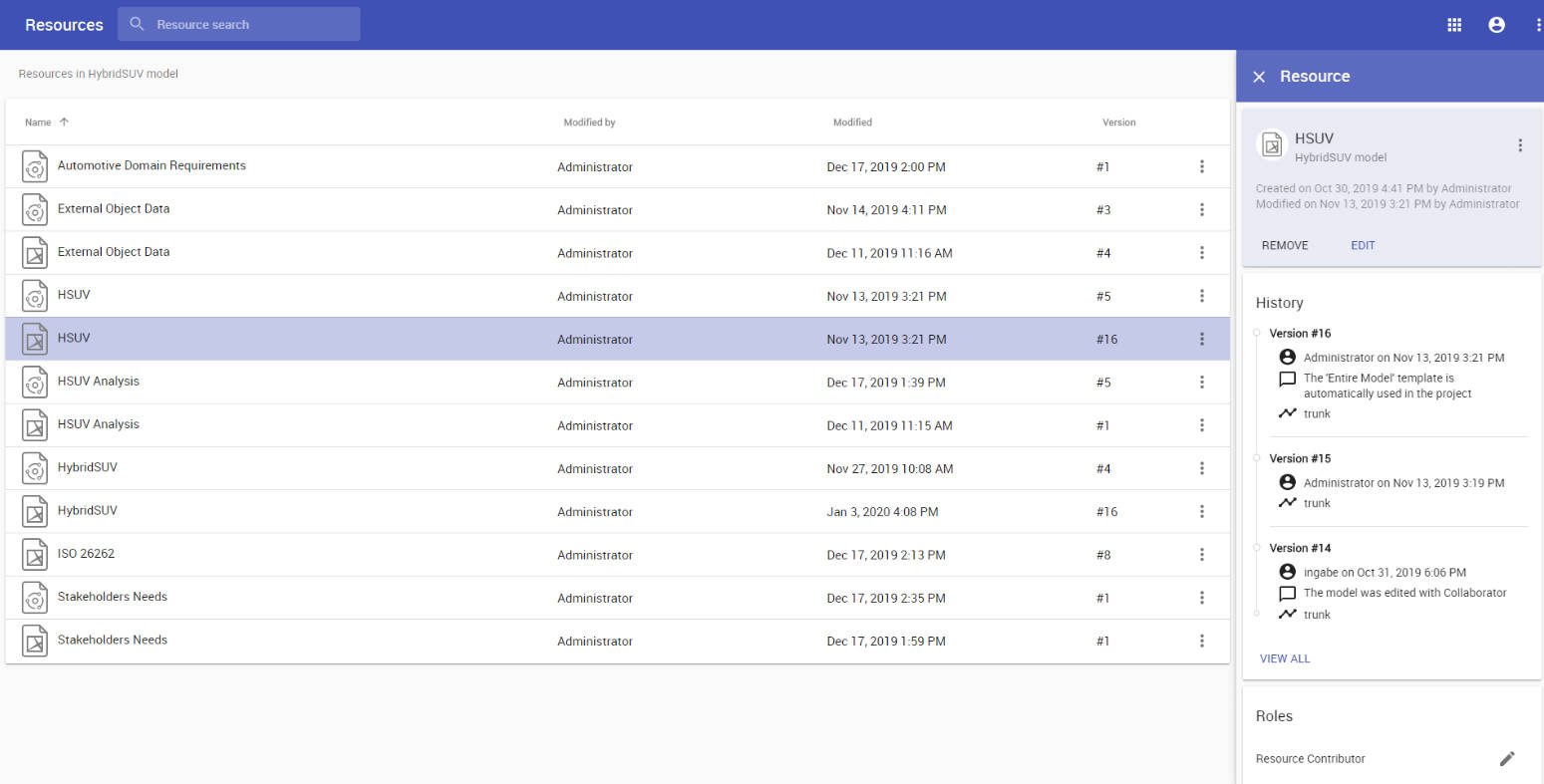
The Magic Collaboration Studio package allows for collaborative development and version model storage for large volume of data. It is architected to provide state-of-the-art model-governance (merging, branching, access control with secured connection), model analysis and integration with third-party tools.
Key Benefits:
- Ensure seamless large-scale system of systems/system/software architecture definition with distributed teams.
- Provide digital collaboration on the architectures among stakeholders by enabling parallel modelling.
- Supports users work on-line and off-line.
- Track and review modifications on published architectures on the web.