






What is Virtual Twin Technology?
Virtual Modelling, Collaboration, and Optimisation for Flawless Execution
Virtual Twin technology allows organisations to create dynamic virtual models of real-world products, facilities, assets, and processes that are powered by real-world data and enable manufacturers to cooperate, model, optimise, and execute efficiently.
Simulating the outcomes of numerous scenarios in the virtual model assists manufacturers in developing the best strategies in accordance with commercial and sustainability objectives.
What is the difference between Virtual Twins and Digital Twins?
Unlike a digital twin prototype that focuses on one specific object, virtual twin technology allows you to visualise, model, and simulate real-world products, facilities, assets, and processes.
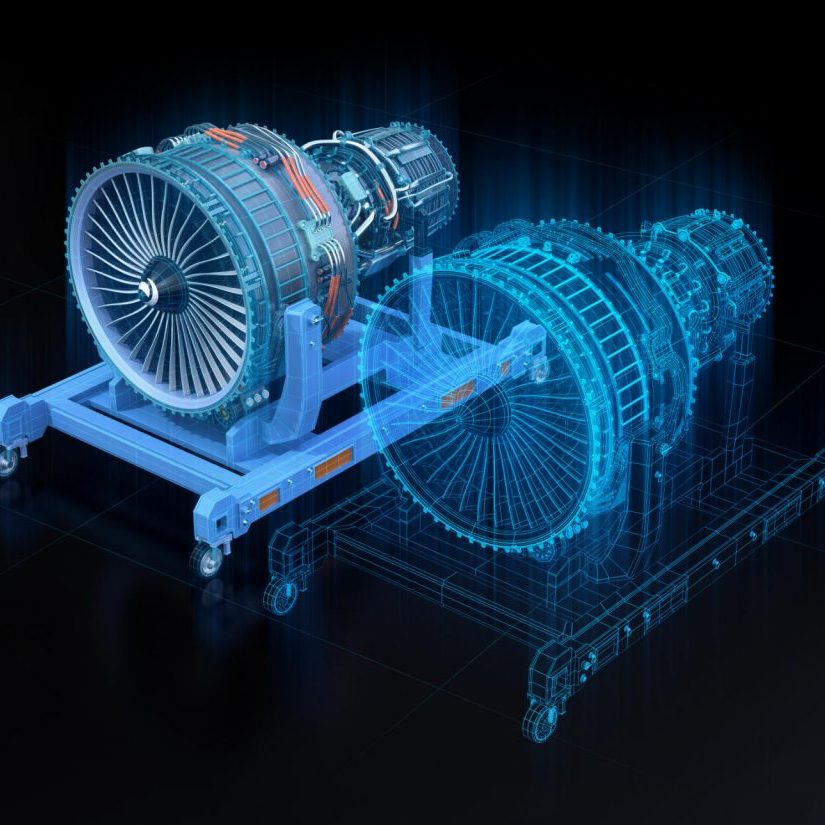
Virtual Twin Experience on the cloud
An executable virtual model of a physical system to bring learning and experiences taken from the real-world processes to update the digital twin model.
Achieving a closed-loop capability is the full realisation of benefits to be gained from the convergence of the Virtual and Real Worlds
Key Features:
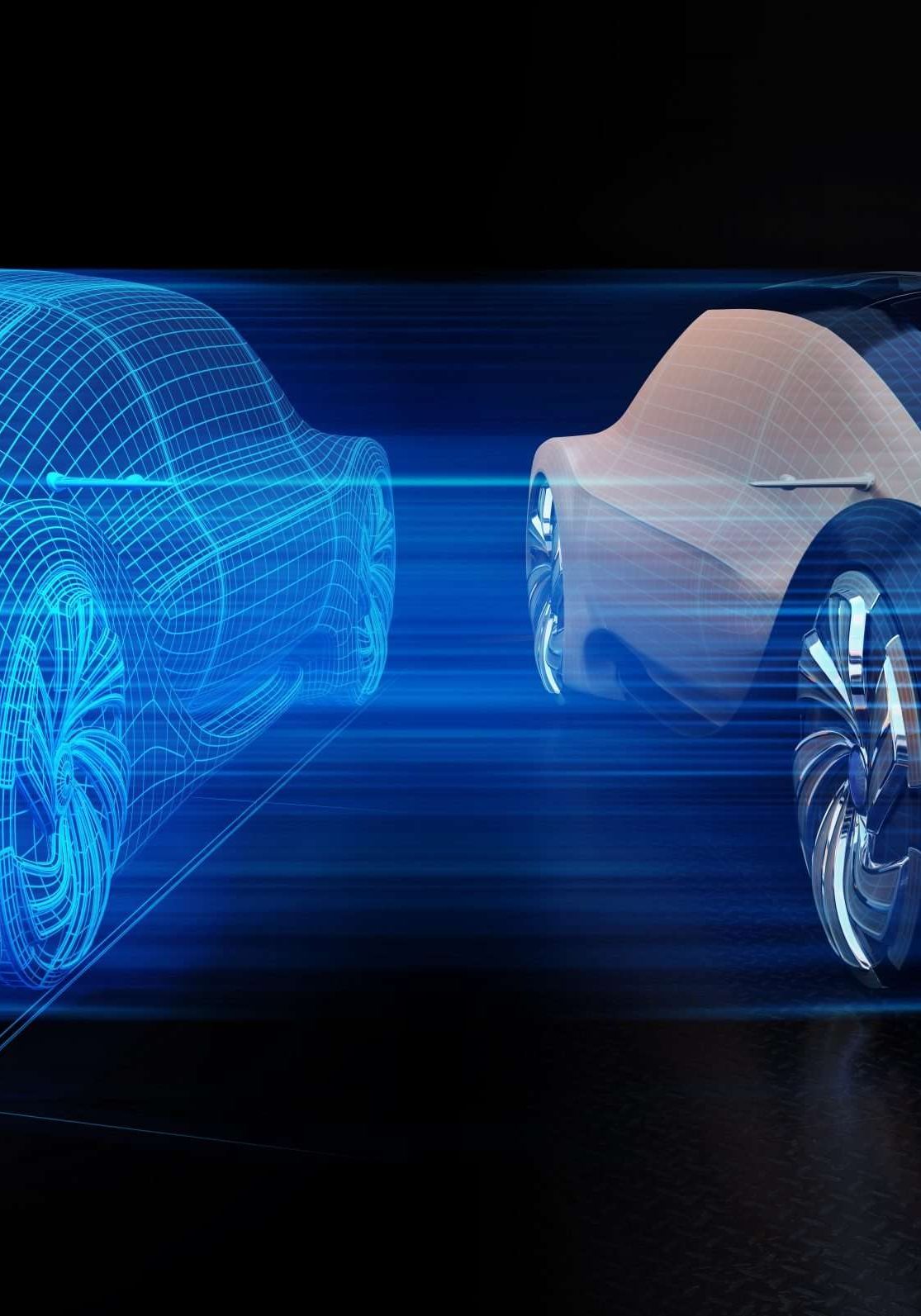
Key Components of Virtual Twin Success
Leveraging Virtual Twin technology requires four discrete components: collaboration, modeling, optimisation, and performance.
01
Collaboration
Collaboration is the process through which the various stakeholders in any business come together to work out the needs, wants, and goals of the overall project using lean principles.
02
Modelling
Modelling is the foundation for digitalisation. It is the accurate portrayal of machines, processes, and workflows created by depicting physical systems (and often humans as well). Accuracy is critical here, and it must be maintained throughout the project's lifespan.
03
Optimisation
Optimisation is the payoff from the Virtual Twin Experience, the process by which modifications are evaluated, tried digitally, and tested again to decrease production bottlenecks and improve efficiency. This is when planning modifications become true "what if" experimentation, iterating various changes in real time, from equipment cycles to worker time and motion study.
04
Performance
Performance is the goal of the actual implementation of the new processes and procedures worked out in the virtual factory. A successful Virtual Twin Experience allows for quick, trouble-free production modifications with minimal downtime. Sensor-equipped equipment then transmits real-time data back to the twin to confirm results and provide a fresh baseline for the following set of experiments and improvements.
Virtual Twin Software from TriMech
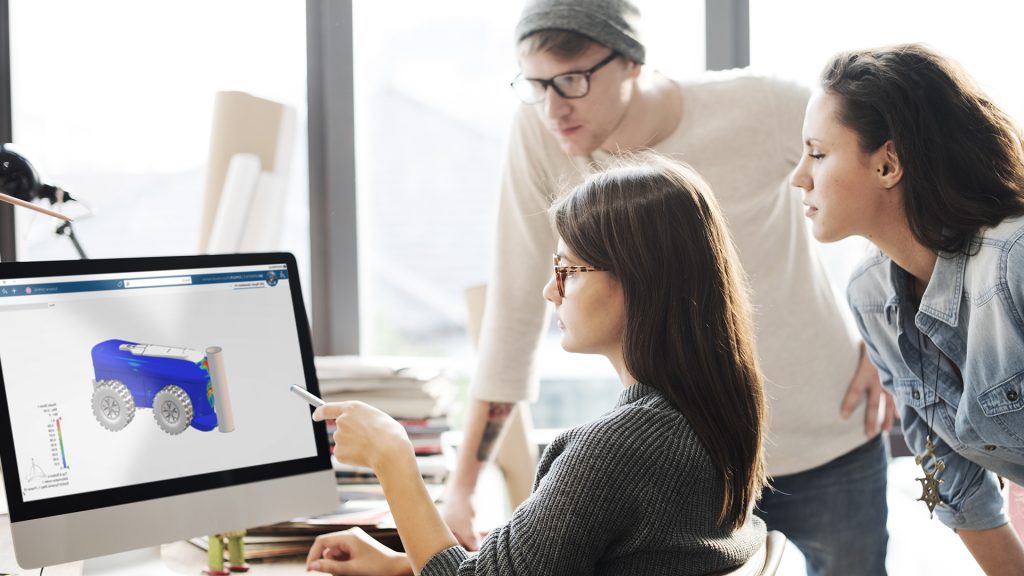
SIMULIA fe-safe
Discover the fe-safe Suite, powered by SIMULIA, the finite element model durability analysis software that integrates seamlessly into your design process.
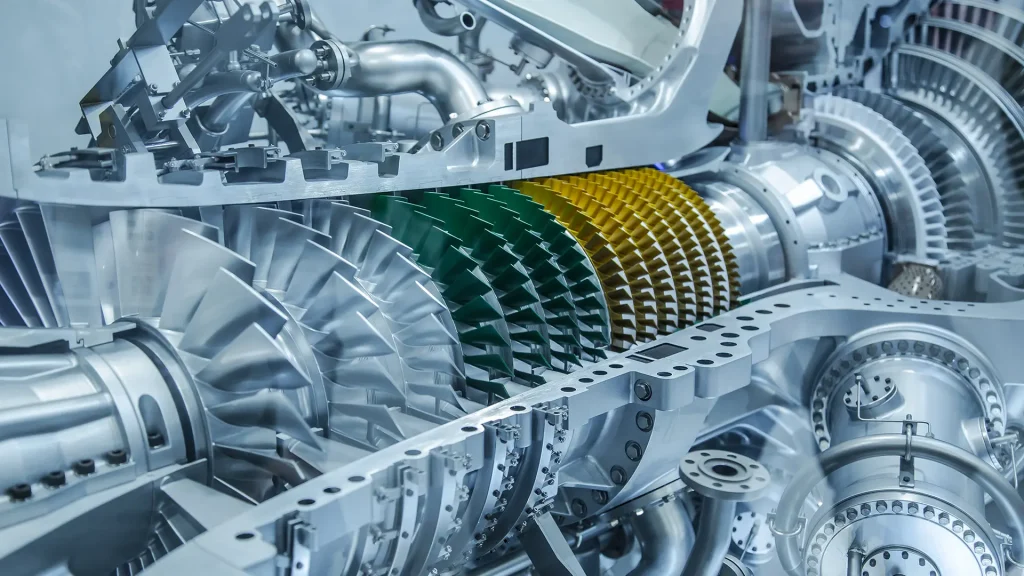
SIMULIA Isight
SIMULIA Isight Simulation Optimization Software tools for product design and simulation to enhance engineering procedures
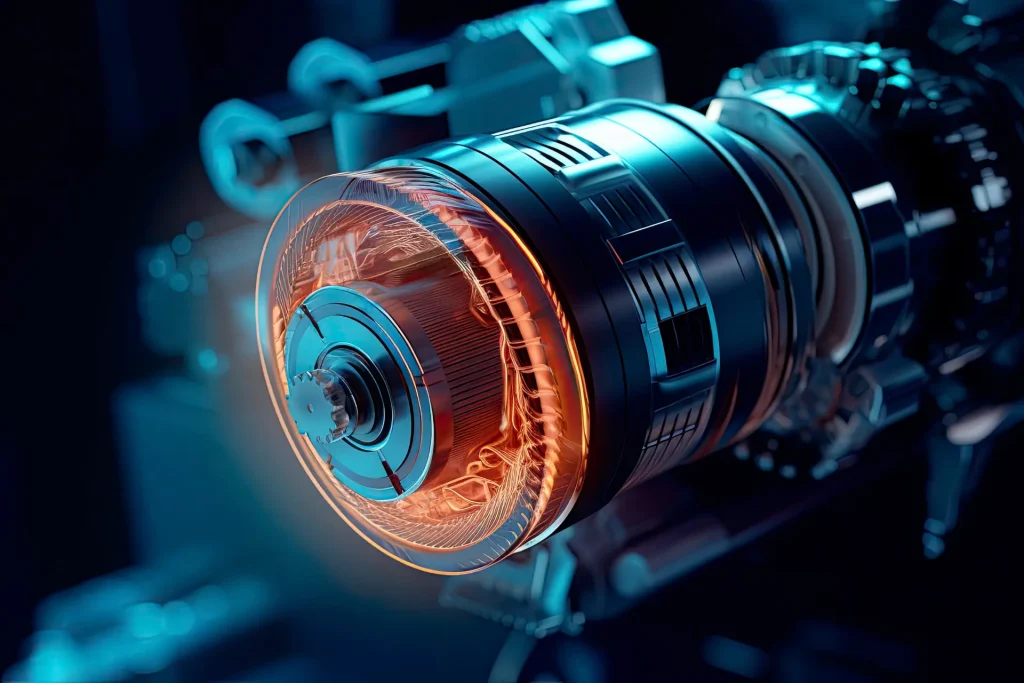
SIMULIA Manatee
SIMULIA Manatee software provides a collaborative simulation and analysis environment for analyzing the e-NVH (electromagnetic noise and vibration) performance of electric machines and drives from concept to preliminary design phase.
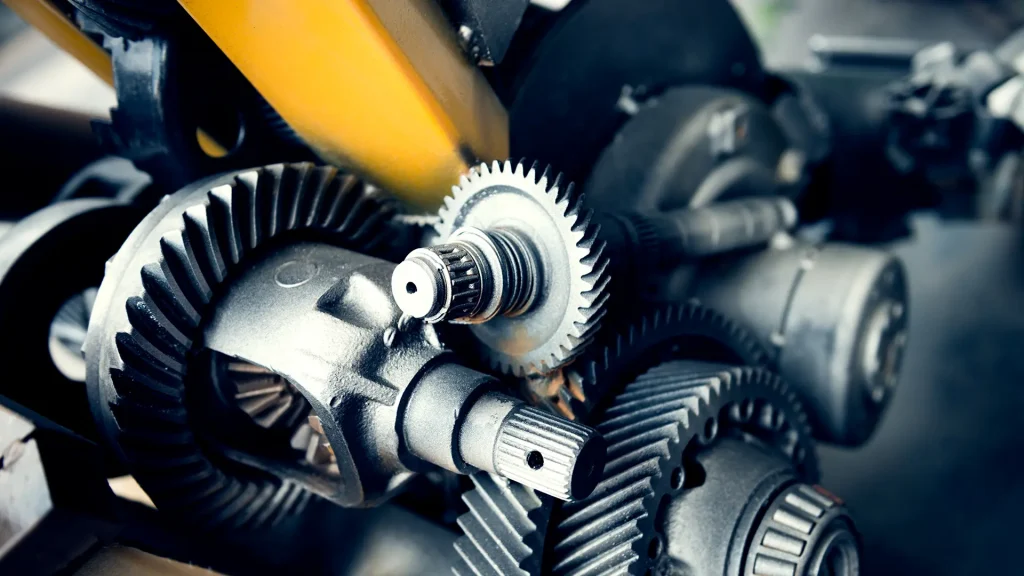
SIMULIA Simpack
SIMULIA Simpack is a dedicated package for Multibody System Simulation (MBS), used for the dynamic analysis of any mechanical or mechatronic system.
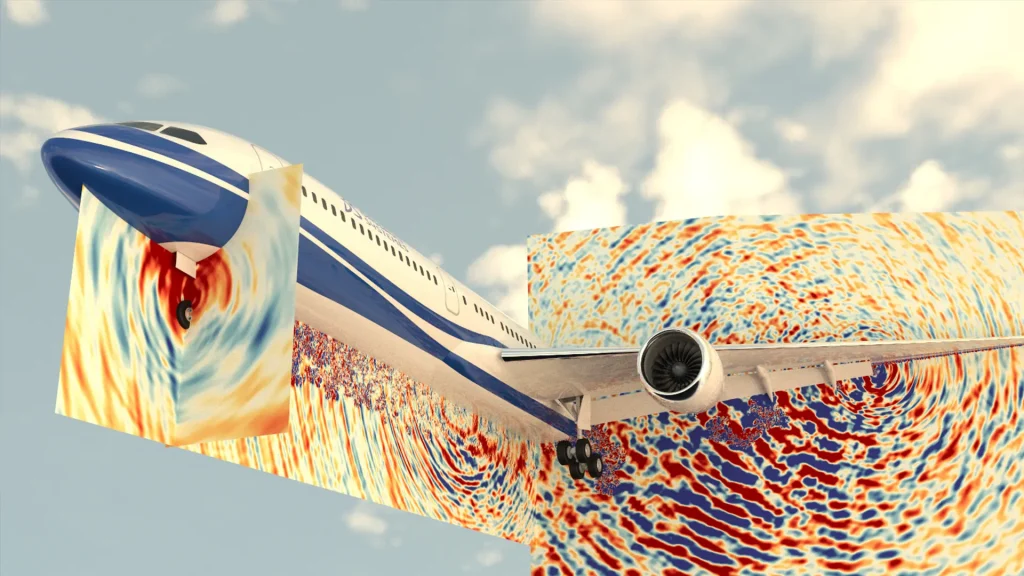
SIMULIA Wave6
Learn how SIMULIA Wave6 software can improve your vibro-acoustics and aero-vibro-acoustics simulation skills and assist you in resolving engineering issues.
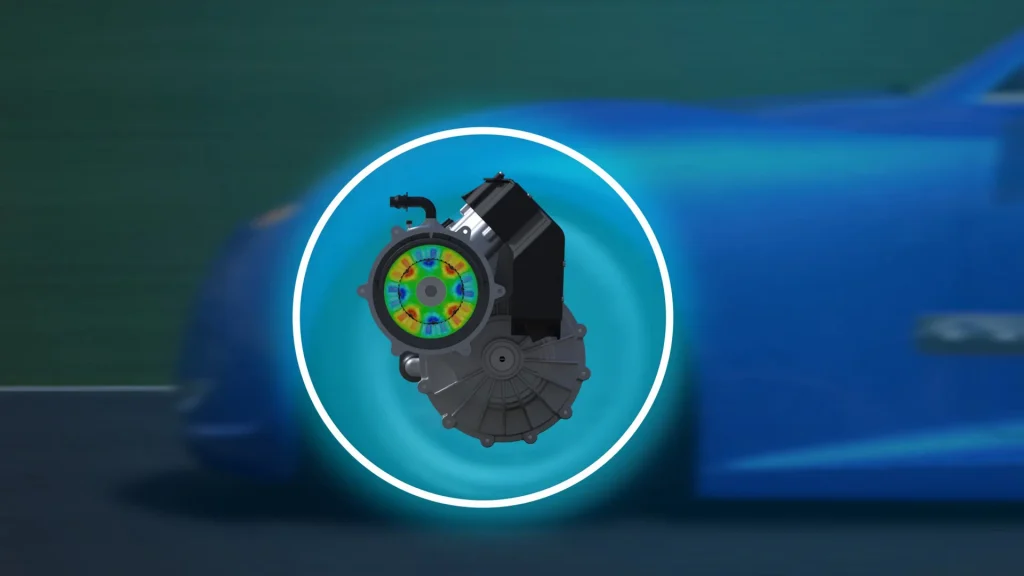
SIMULIA XFlow
Learn about the high-fidelity Computational Fluid Dynamics (CFD) program XFlow, powered by Dassault Systemes SIMULIA and based on the Lattice-Boltzmann Method (LBM).
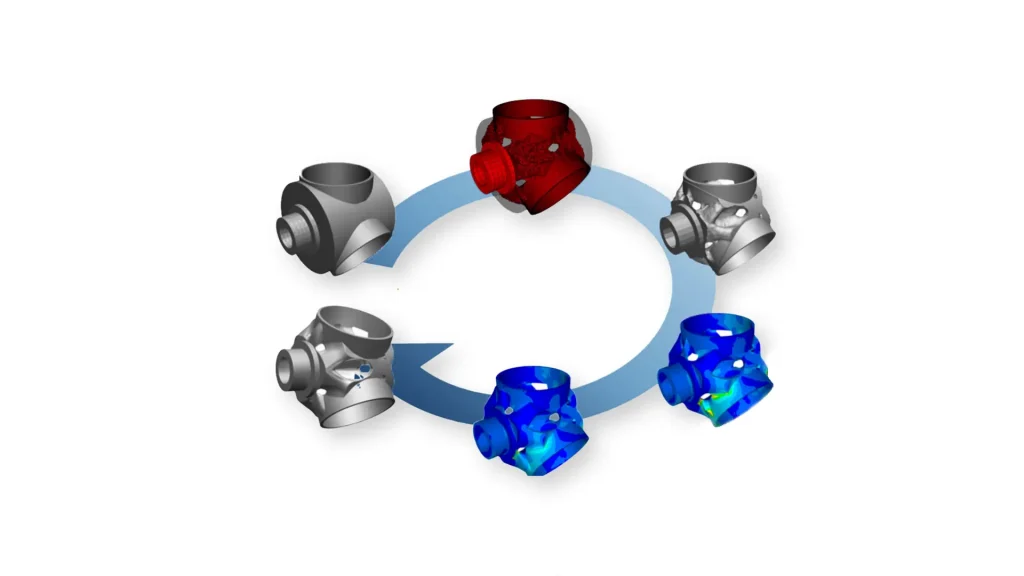
- « Previous
- 1
- 2
Virtual Twin Content
Learn more about Virtual Twin solutions with our resource content:
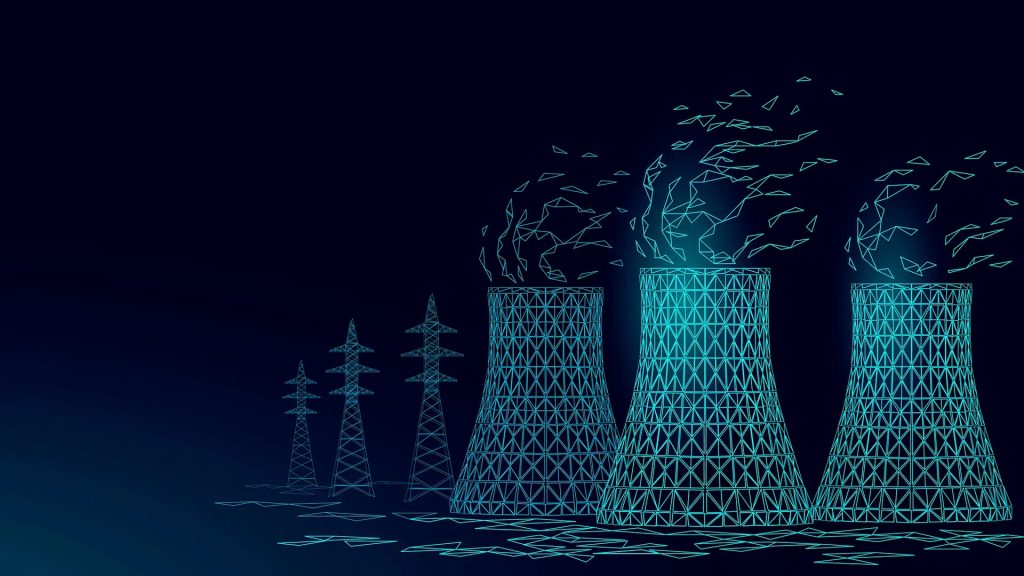
3 Key Steps to Digitising Nuclear Power Plants

5 Key Reasons to Integrate Your Disparate Business Systems

A Comprehensive Guide to Requirements Management and Traceability

Achieve Future-Ready Operations across the CPG Sector with the Virtual Twin Roadmap
Achieving Efficient Systems Engineering for Drone Development with 3DEXPERIENCE
Addressing the Challenges of Alphanumeric Process Planning
CATIA V5 with 3DEXPERIENCE Cloud Services – What is it?

Driving A Transformative Shift Towards Sustainable Innovation in Biomanufacturing with Virtual Twin Technology
