








What is the course
Course Overview
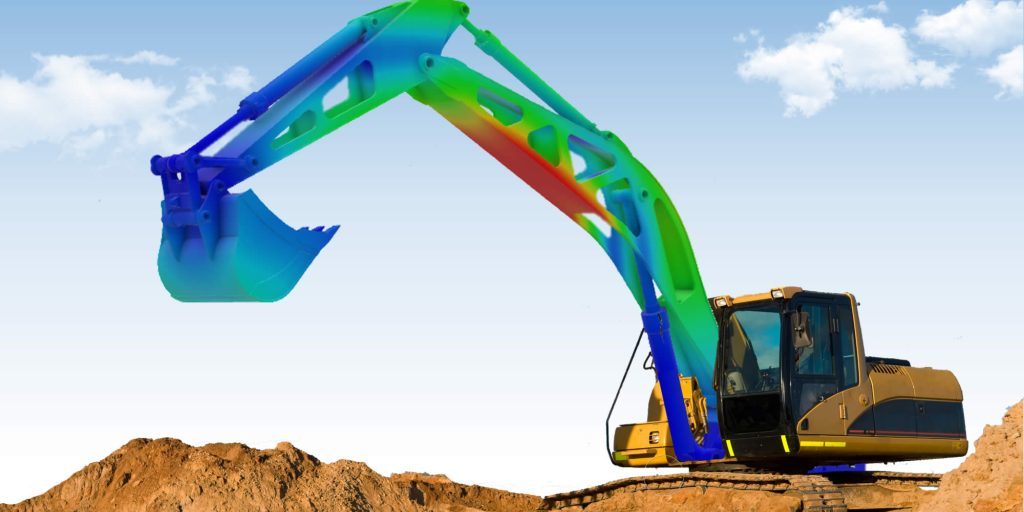
This course is a comprehensive and unified introduction to the modeling and analysis capabilities of Abaqus. It teaches you how to solve linear and nonlinear problems, submit and monitor analysis jobs and view simulation results using the interactive interface of Abaqus.
The course covers the following topics:
- Linear and nonlinear structural analysis
- Static, dynamic and heat transfer analysis
- Material models: linear elasticity, hyperelasticity and metal plasticity
- Loads and constraints
- Modeling contact
- Selecting the appropriate elements for your problem
- Feature-based modeling, parts and assemblies
- Working with CAD geometry and imported meshes
- Mesh generation techniques
- Creating, submitting and monitoring analysis jobs
- Viewing simulation results
- Restarting an analysis
What you learn
Learning Objectives
Understand the course requirements and the skills you will acquire after completing the SIMULIA course
Products Targeted
The following products are covered:
- Abaqus/CAE
- Abaqus/Standard
- Abaqus/Explicit.
Acquired Skills
- Using FEA Solutions in Abaqus
- Steps, Output, Loads, and Boundary Conditions
- Solve Linear and Nonlinear Problems
- Analysis Continuation Techniques
What You'll Learn
Course Agenda
Introduction to SIMULIA Abaqus Lessons
The following lessons are included in the course
The course is divided into lectures, demonstrations and workshops.
The course’s workshops are integral to the training. They are designed to reinforce concepts presented during the lectures and demonstrations. They are intended to provide users with the experience of running and trouble-shooting actual Abaqus analyses.
- Overview of Abaqus
- Working with Geometry
- Material and Section Properties
- Assemblies in Abaqus
- Steps, Output, Loads, and Boundary Conditions
- Meshing Imported and Native Geometry
- Job Management and Results Visualization
- Linear and Nonlinear Problems
- Analysis Procedures
- Analysis Continuation Techniques
- Constraints and Connections
- Contact
Training Methods
Choose from three different training methods available to you

Group / Classroom Training
Receive Introduction to SIMULIA Abaqus training in a group in a traditional classroom environment. Courses can be taken in one of our training locations in the UK, Ireland, US or Canada using DS approved training content and methodologies.
Advantages
- Cost effective training method.
- Leave the office to concentrate on learning.
- Learn more through group questions and feedback.

Live Online Training
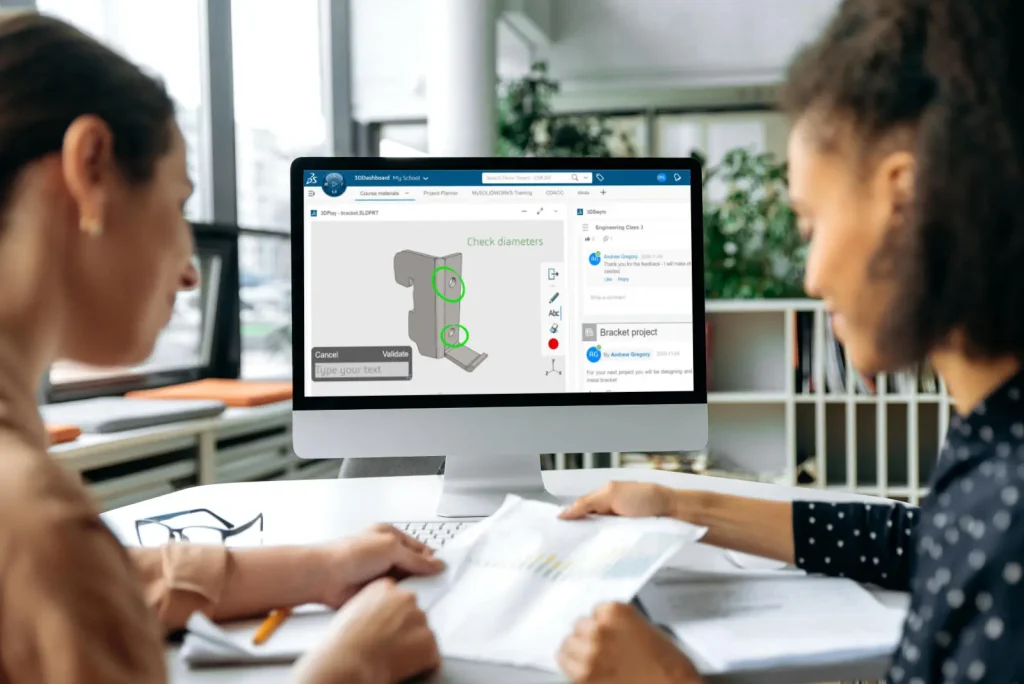
With online training you will experience an interactive learning environment where you can give feedback, gain access to the training files and get time to work on training exercises.
Advantages
- Online courses can maximise convenience and save on travel expenses.
- More effective than video based training, with recorded videos learners are often not as focused on the training and skip exercises.
On-Site Training
Receive training at your place of work. This style of flexible training is perfect for teams or individuals who are faced with a specific challenge and require personalized courses with on-the-job coaching.
Advantages
- Use our state-of-the-art mobile classroom at your facility.
- Bring your team up to a consistent level of knowledge by having them take the same training at the same time.
- Benefit from flexible scheduling options.
Upcoming Courses
If you do not see a suitable training course scheduled below please contact us. Our training team are happy to discuss your requirements and can schedule additional courses or arrange onsite or bespoke training to suit your needs.
There are no Introduction to SIMULIA Abaqus courses currently scheduled.
More Training Courses
CATIA V5 Mechanical and Surface Design Fundamentals
This CATIA V5 fundamentals course will enable students to operate CATIA V5 using best practices within the disciplines of Mechanical and Surface Design.

SIMULIA Abaqus/Explicit Advanced Topics
This course emphasizes practical skills and techniques that are needed for analyses with SIMULIA Abaqus/Explicit. Recommended for relatively new users and Abaqus/Standard users who want to learn Abaqus/Explicit.
Tire Analysis with Abaqus Fundamentals
The Tire Analysis with Abaqus Fundamentals course covers the many important yet basic capabilities in Abaqus that are specifically relevant to tire modeling.