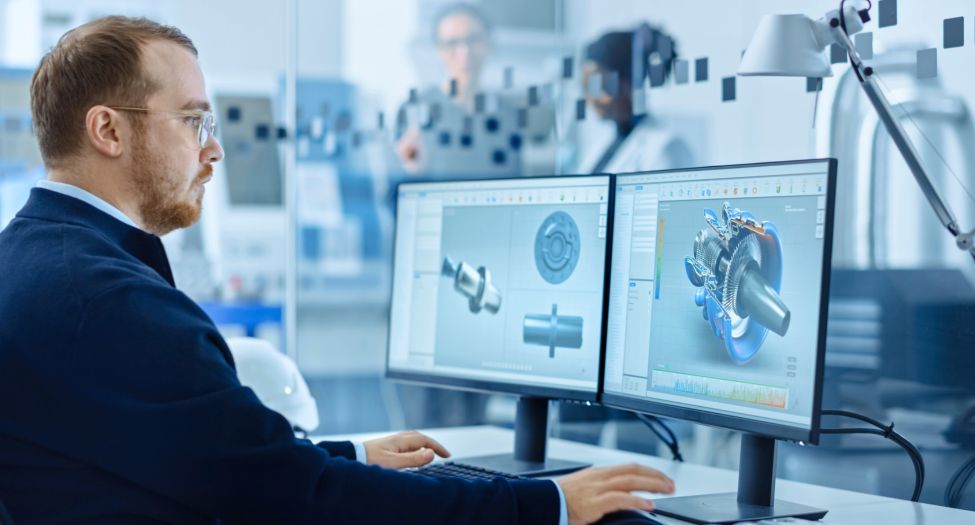








As product development becomes more interconnected and fast-paced, the tools we’ve relied on for years are starting to show their age. Many engineering and design teams continue to use legacy CAD tools like CATIA V5 — not because they’re the best fit for today’s challenges, but because they’re familiar and deeply embedded in existing workflows.
But as the expectations around collaboration, data accessibility, and product complexity evolve, sticking with the status quo may be creating hidden inefficiencies that are easy to overlook — until they start costing time, opportunity, or competitive edge.
Evolving Demands on Design Teams
The demands placed on modern product teams extend well beyond geometry and modeling. Teams today are expected to:
-
Work across distributed locations, departments, and even partner organizations.
-
Iterate faster, with seamless access to data and fewer delays from file transfers or version conflicts.
-
Align engineering efforts with downstream teams in manufacturing, supply chain, and service.
-
Support sustainability goals, simulation-driven design, and traceability across the product lifecycle.
Legacy CAD systems weren’t built with these expectations in mind. As a result, many teams find themselves compensating with custom scripts, extra meetings, and manual processes that slow things down and introduce risk.
The Risk of Falling Behind with Legacy CAD
Staying on a familiar platform like CATIA V5 can feel like the safest option, especially for teams that have built deep expertise over years. But there’s a growing gap between what legacy tools enable and what modern design challenges require. Over time, this gap can lead to:
-
Reduced agility, as responding to new requirements or late-stage changes becomes more complex.
-
Increased overhead, as IT teams maintain on-premise infrastructure and manage disconnected data systems.
-
Missed collaboration opportunities, especially with suppliers, contractors, or remote colleagues.
Looking Ahead: A Shift Toward Connected Design
More design teams are now exploring connected, cloud-enabled environments — not as a replacement for their engineering skills, but as a way to amplify them. These environments allow for:
-
Real-time collaboration without the need for physical file sharing.
-
A centralized view of product data that supports traceability and design continuity.
-
Easier integration with simulation, manufacturing, and lifecycle tools.
This shift isn’t about abandoning what works — it’s about building on it in a way that supports the growing demands of product development. And for teams already familiar with CATIA, the path forward doesn’t have to mean starting from scratch.
Rethinking What “Modern CAD” Means
CAD has always been a core part of the design process. But in the age of digital transformation, it’s becoming just one part of a broader, more connected ecosystem. Engineering leaders now face a choice: continue to rely on tools built for a different era, or begin the transition toward platforms that support the full spectrum of design and development needs.
It’s not about chasing trends — it’s about ensuring your tools are aligned with your strategy, your team, and the future of your industry.