










The SIMULIA 3DEXPERIENCE Structural Mechanics Engineer (SSU-OC) Role is a comprehensive role to perform structural integrity assessment of any type of product, providing:
- Structural analyses (static or quasi-static, frequency, buckling, mode-based steady-state or transient dynamic, random response, non-linear dynamic)
- Thermal analyses or sequential thermal-stress analyses (both transient or steady state)
- Coupled multiphysics analyses, including the thermal-electrochemical procedure useful for battery engineering perspective
- Axis symmetric idealization for fast structural analyses, especially useful in a preliminary design context to determine trends
- Advanced capability from modeling and meshing, with possible automated creation (e.g.mid-surfacing), scenario definition, execution, results visualization, and report generation
- Embedded tokens for running the analysis

Structural Mechanics Engineer Benefits
- Analyze and validate structural strength during concept, basic and detailed design phases to minimize cost of prototyping, reduce weight. Reduce risks associated with structural certification.
- Detailed structural validation from sub-system level to coupon level
- Minimize vehicle weight, thus maximizing efficiency and range
- Increase certification confidence in early and detailed design phases
- Reduce expensive and challenging physical tests

Structural Mechanics Highlights
- Efficient and automated creation of simulation models directly from design data reducing modelling times
Multistep structural scenarios including: Static, Frequency, Thermal, Buckling, Implicit/Explicit Dynamics, Linear Dynamics and more - Seamless associativity/integration with geometry for generative simulation including functionality for simulation geometry preparation
- Productive apps for large model 3D visualization/post-processing and XY plotting enabling design insight and decision making from results
- Includes execution on up to 8 Cores
Solve Complex Engineering Problems
- Enable your engineering team to conduct a large variety of analysis procedures (linear and nonlinear static, nonlinear implicit and explicit dynamic, frequency, thermal, and more) to ensure validation accuracy and robustness.
- Use implicit and explicit methods to cover a very wide range of structural simulation applications such as drop tests, impacts, crash, snap fits, gasket compression and pre-loaded bolted assemblies.
- Efficiently handle large displacements, large rotations and large strain, improving simulation accuracy. Simulate multiple and sequential load cases to represent exactly the real loading conditions.
Provides a Productive Meshing and Modeling Environment
- Use reliable contact detection capability to ensure accurate interactions prediction even on large models.
- Enable users to simulate any type of geometry with reliable meshing tools (beam, shell, or solid including tetrahedron and brick elements) and improve pre-processing efficiency.
- Use the large material models library to define the right behavior (including non-linear behavior such as hyper-elasticity or plasticity) and ensure simulation fidelity.
- Standardize and democratize your simulation workflows enabling experts to easily customize the user interface and guide non-experts or first-time users through the simulation workflow.
Frequently Asked Questions
FAQ'S
SIMULIA 3DEXERIENCE Advantage
Connect with other 3DEXERIENCE roles and take advantage of cloud-computing power for your analysis
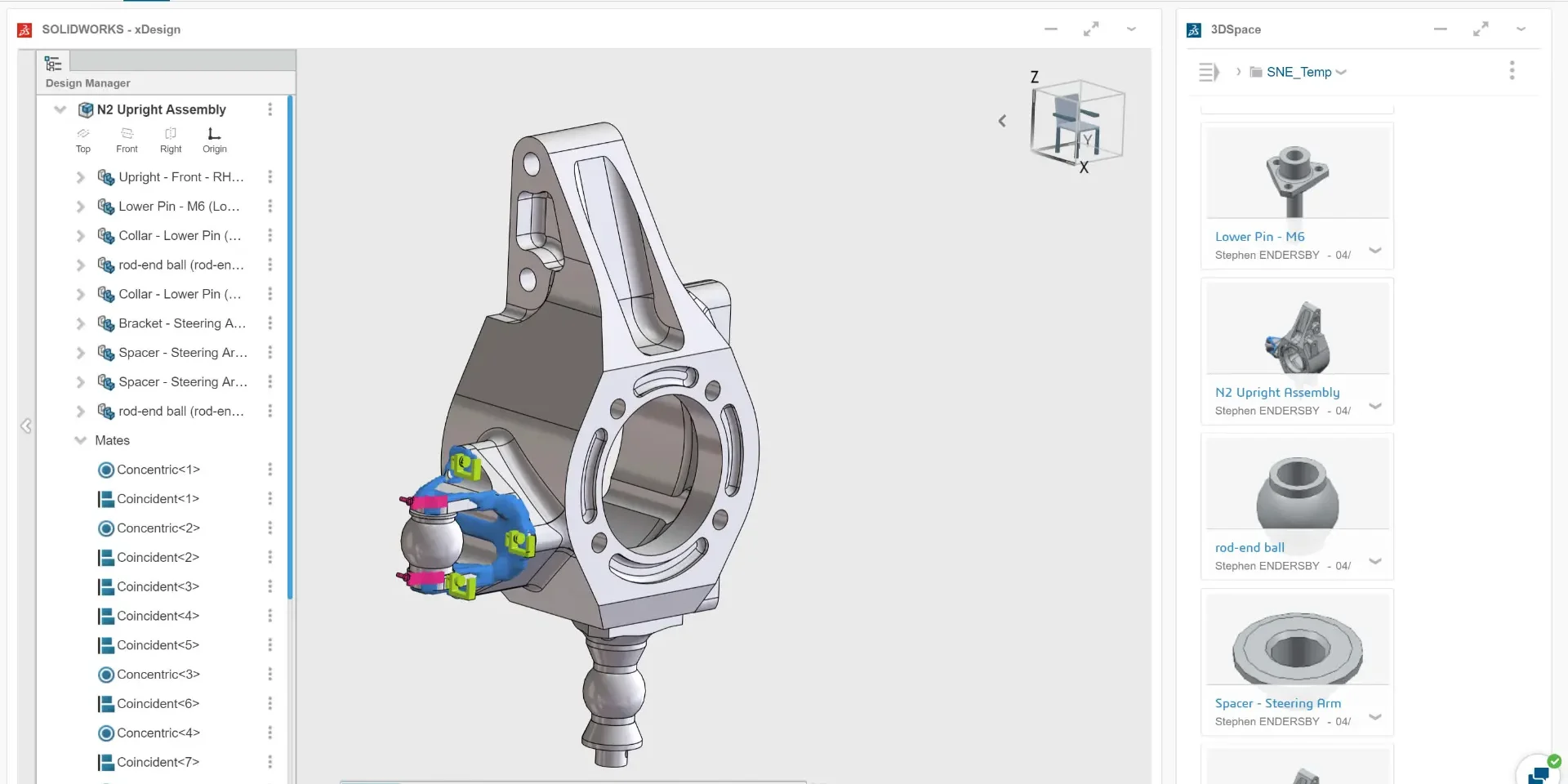
Interaction between CAD & PLM
With Structural Performance Engineer, users build simulation models directly on the design geometry.
Tight associativity with CATIA and SOLIDWORKS means that simulation and CAD always remain synchronized even after design changes. It provides access to advanced simulation technology within a consistent and intuitive interface.
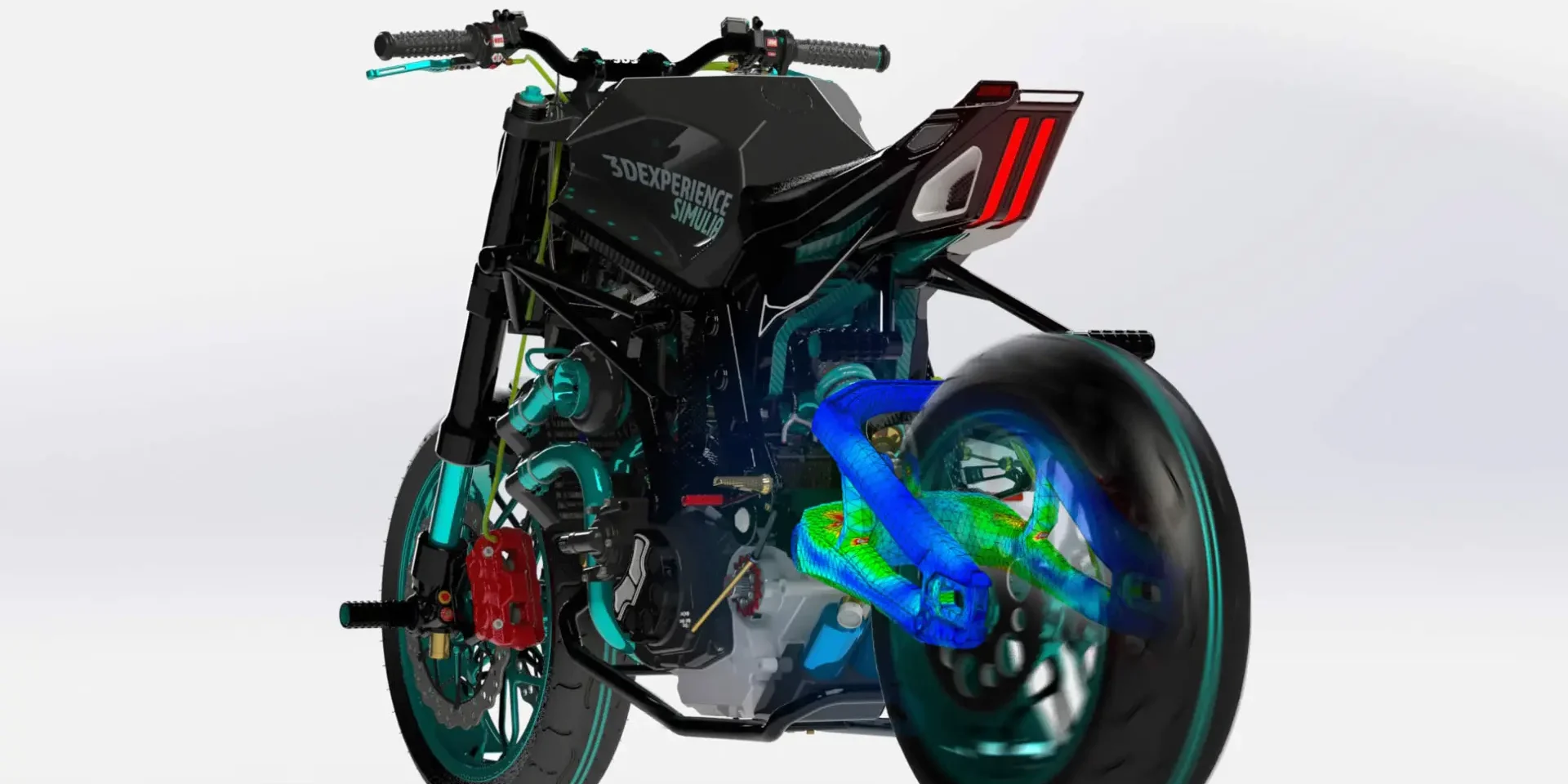
Large-scale Visualization
Visualization tools support efficient post-processing of large-scale simulation data including an option to use remote machines for rendering and visualization computation.
Thermal Engineer enables interrogation of realistic simulation results with speed, clarity, and control for enhanced decision making.
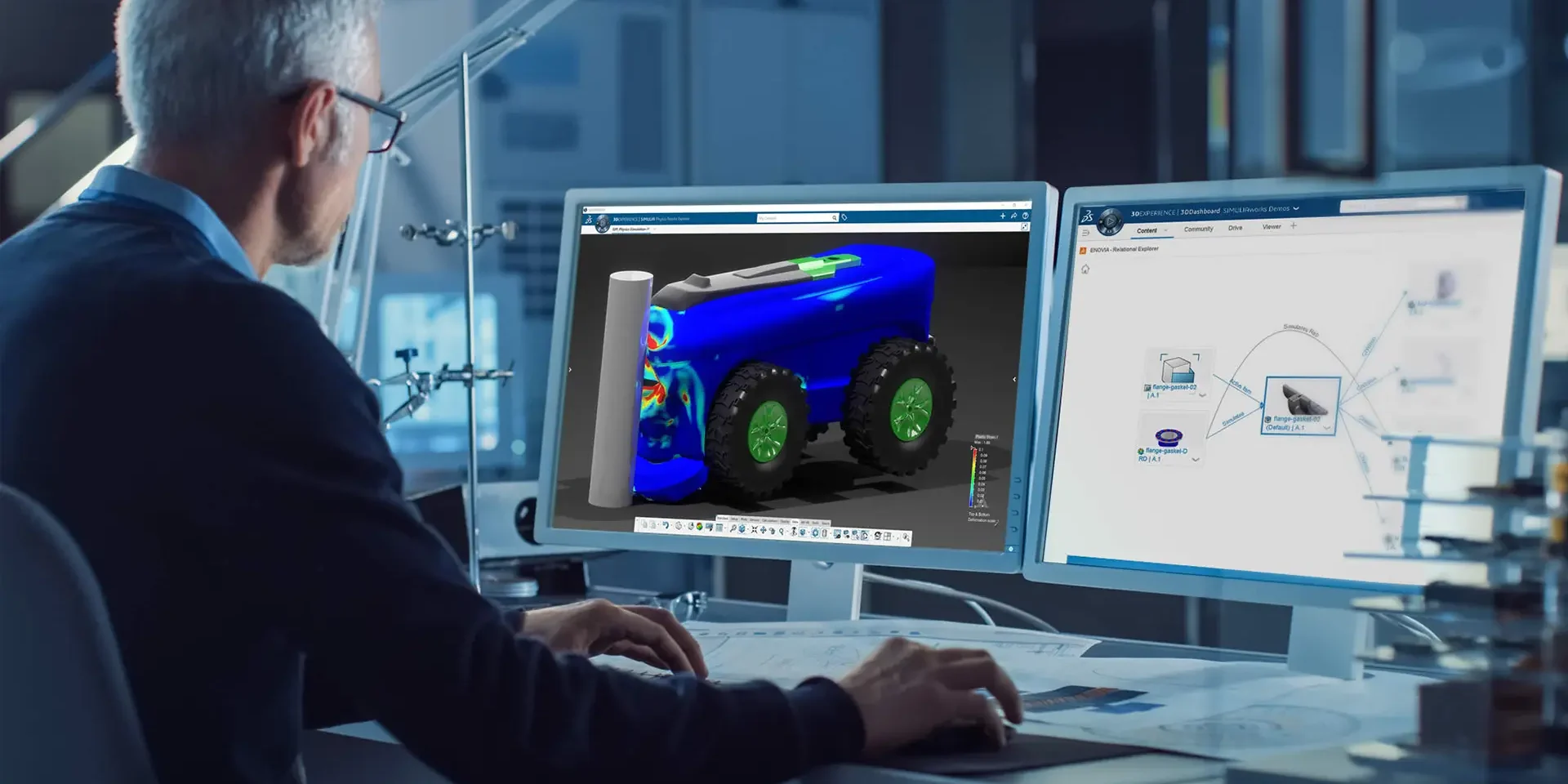
High Performance Computing
Extensive tools and controls for results display can be used for advanced and collaborative post-processing while utilizing High Performance Computing (HPC) resources to perform results visualization.
Simulation Review application offers Web based visualization of the geometry and simulation results for a unique collaborative experience around Simulation assets.
Why Choose The 3DEXPERIENCE platform?
The 3D EXPERIENCE platform provides a Safe, Social, Connected, Informed and Structured environment for team leader project managers and other professionals who want to manage data on the cloud and collaborate without constraints.
Interested in Structural Mechanics Engineer?
Call us on 01926 333777 or click button below to contact us online to get your questions answered today.