





Vehicle aerodynamics has become a central challenge for OEMs as they strive to balance increasingly strict regulatory requirements with the high expectations of today’s consumers. In a saturated automotive market, where customers have more choices than ever, manufacturers are under pressure to deliver vehicles that not only meet safety, utility, and efficiency goals but also offer standout styling without compromising performance or compliance. Managing these tradeoffs effectively has never been more critical.
Style Matters – But So Does Performance
Important factors in a vehicle’s design include safety, utility and efficiency, but these are not the only attributes that customers look for. Style is also a priority for many consumers, and it is one of the primary ways that manufacturers can make their product stand out in a field with ever-increasing options. Unfortunately, focusing on creating innovative styles without feedback on vehicle performance often increases the risk that emissions and fuel economy targets will not be met once the vehicle development is complete.
Simulation: The Bridge Between Design and Compliance
The only way, therefore, to meet all requirements while still standing out to consumers is through simulation. Simulation allows manufacturers to not only design the vehicle and its subsystems but to evaluate, change and optimize performance at every stage of vehicle development, all the way from concept to compliance.
Designing with Vehicle Aerodynamics in Mind
In the earliest stages of design, designers have more freedom to come up with innovative style concepts that will capture the attention of consumers. Using simulation at this stage can inform them whether that design can work without compromising aerodynamics, and allow them to make changes that will accommodate both style and performance.
Rapid Iteration Requires Real-Time Feedback
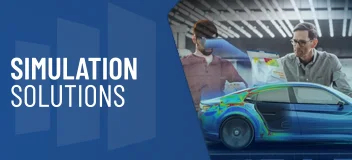
Designers typically iterate through as many as hundreds of design ideas in a few days, and the simulation they use must be able to keep up with that pace. SIMULIA’s PowerFLOW, with its newly developed DesignGUIDE tool, allows engineers and designers to have real-time interaction between design and performance. DesignGUIDE shows a color-coded image that informs the stylist or designer how surface movement will impact key performance measures, such as vehicle drag or lift. The designer can then evaluate areas where performance can be improved, or where there is more room to experiment with style.
A Versatile Tool for Performance Insight
Any parameter that can be examined, whether it be drag, lift, engine cooling, interior wind noise, etc., can be displayed through DesignGUIDE. The designer does not need to strictly follow the guidance provided by DesignGUIDE, but can gather useful information on how the design can evolve to improve performance.
Reducing Costly Iterations and Delays
A combination of simulation and modeling allows the designer to create something that is aesthetically pleasing and also performs well. Without simulation, a lengthy process of physical modeling and wind tunnel testing would be required, giving the designer information well after he or she had already moved on from that stage.
Simulation for Confident Certification
Once the designer has reached a balance between style and performance, the OEM needs to ensure that the design will pass final certification. With traditional processes, this phase is both lengthy and costly, but the use of simulation throughout the development process enables OEMs to feel confident that their vehicles will pass tests. In many situations, simulation can even be used to replace physical tests to demonstrate to regulators that designs meet criteria during vehicle certification.
Style, Performance, and Compliance – Without Compromise
Simulation allows designers and engineers to create vehicles that are visually attractive to consumers while still meeting performance goals and regulatory requirements – all while reducing development costs and time and ensuring that new vehicles can meet targeted launch dates.
Categories
Related Content

Transform Your Drone Program with TriMech Enterprise Solutions
Transform Your Drone Program with TriMech Enterprise Solutions through the adoption of Simulation, PLM, Operations, and Digital Manufacturing solutions, all connected to provide a single...
SIMULIA Manatee
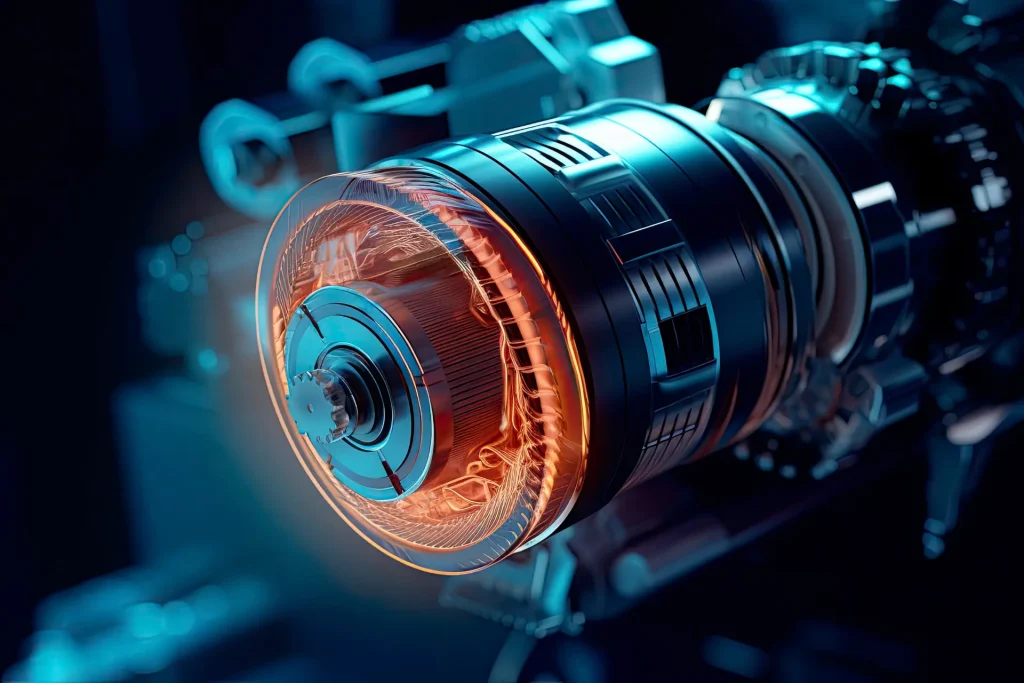
SIMULIA Manatee software provides a collaborative simulation and analysis environment for analyzing the e-NVH (electromagnetic noise and vibration) performance of electric machines and drives from...

How to Transition from SIMULIA / Abaqus V5 to 3DEXPERIENCE: A Practical Migration Guide
If your engineering team has been relying on SIMULIA or Abaqus V5 for years, you’re not alone. These tools have long been the gold standard…