






Unlock the Future of Product Innovation: From PDM to PLM

Learn about the benefits of moving from PDM to PLM and the services that TriMech provides for making the transition to an enterprise system.

What is Product Lifecycle Management (PLM)?

Reengineering product development and manufacturing processes

All design engineering, product development, and manufacturing organisations need an automated solution for managing, utilising, and leveraging 3D CAD design data.

Your current PDM system focuses on managing design data as it relates to product development processes, PLM (Product Lifecycle Management) centres on reengineering product development and manufacturing processes as they relate to product lifecycles. PDM is a design-focused technology that increases efficiencies within existing product development processes by improving the management of product design data.

PLM, on the other hand, is a strategic, process-centred approach that leverages PDM and the digital thread, to manage product lifecycles, remake processes, and increase output. As a result, PLM improves productivity across the connected enterprise rather than in a single department or a specific process.

Moving from PDM to PLM
Video Introduction

PLM for the Enterprise

PLM Capabilities and Benefits

Future-proof your product lifecycle management and help your company handle the increasing complexity of today's products.

Reduced Costs

PLM helps identify cost-saving opportunities by optimising design, manufacturing, and supply chain processes. By reducing inefficiencies and minimising rework, organisations can achieve significant cost savings.

Improved Product Quality

PLM ensures that products are designed, developed, and manufactured with a focus on quality. It facilitates rigorous testing, validation, and continuous improvement, resulting in higher-quality products that meet customer needs and expectations.

Effective Collaboration

PLM promotes collaboration among cross functional teams, departments, and external partners. This ensures that everyone is working on the same page, reducing communication barriers and enhancing productivity

Regulatory Compliance

For industries with strict regulatory requirements (e.g., healthcare, aerospace, automotive), PLM helps ensure that products meet regulatory standards, reducing the risk of non-compliance and associated penalties.

Efficient Change Management

PLM helps manage changes to product designs, materials, and processes. This ensures that changes are properly documented, reviewed, approved, and implemented, reducing the likelihood of errors or confusion.

Global Collaboration

In today’s interconnected world, organisations often collaborate with teams and partners in different geographic locations. PLM provides a platform for seamless global collaboration, allowing organisations to leverage expertise from around the world.

Faster Time-to-Market

PLM streamlines product development processes, reduces design cycle times, and enhances collaboration among teams. This leads to faster product launches and a competitive advantage in getting products to market ahead of competitors.

Enhanced Innovation

PLM fosters a culture of innovation by providing a structured approach to idea management, prototyping, and testing. This leads to the development of new and innovative products that can differentiate a company in the market.

Better Decision-Making

PLM provides a centralised repository for product information, which allows for informed decision-making based on accurate and up-to-date data. This helps organisations make strategic choices regarding product development, resource allocation, and market opportunities.

Lifecycle Traceability

PLM provides a historical record of changes and decisions made during a product’s lifecycle. This traceability is essential for auditing, compliance, and understanding the evolution of a product over time.

Sustainability

PLM supports organisations in managing the environmental impact of their products. This includes tracking materials, waste, energy consumption, and adherence to sustainability goals.

Long-Term Business Strategy

PLM aligns product development with overall business strategy, helping organisations make decisions that support their long-term goals and market positioning.

"We looked at other PLM/PDM products, but they would require ripping out our existing system. Aras Innovator enables us to keep the software we already have and love while exposing product data in processes across the company."

Kevin Friske
MiTek Corporation

"Aras Innovator is exactly the solution I was looking for — keep SOLIDWORKS PDM Professional and scale it without having to replace it."

Josh Mings
SolidSmack

"Together Aras Innovator and SOLIDWORKS PDM Professional provide the ideal solution for us to streamline and simplify process complexity throughout the company."

David Baer
Spartan Motors
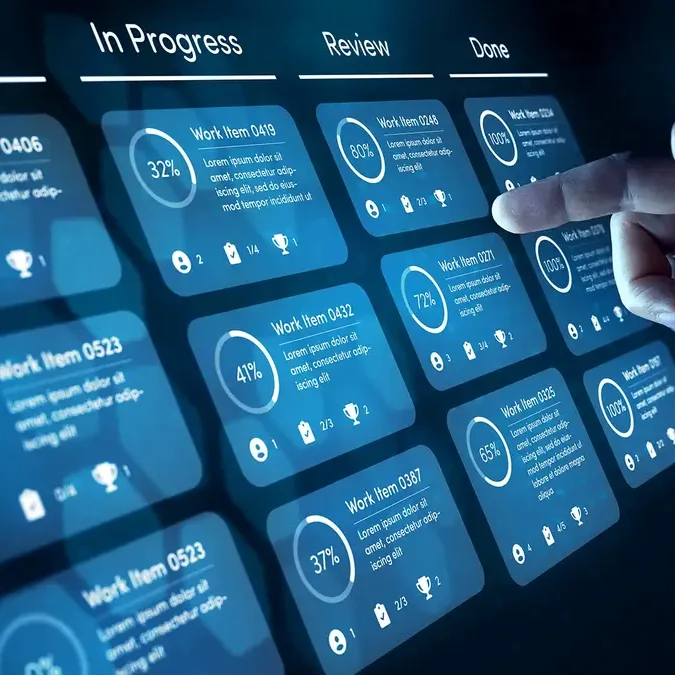
Implement Performance-Driven Project Management with PLM Analytics

How Does PLM work?

Want to improve your process with PLM and services from TriMech? The product lifecycle usually includes five stages. Each of these stages can be enhanced using a PLM strategy.

01

Development

PLM can aid in collaboration during the development stage, centralising data and tracking changes to ensure faster, more efficient development.

02

Introduction

PLM can be used to track manage product data across teams, ensuring documentation and compliance, which can speed up time to-market and reduce errors.

03

Growth

As products gain market acceptance, PLM can be used to optimise production processes, ensuring efficient resource allocation and managing product variants as demand increases.

04

Maturity

PLM can be used to manage product updates, optimising supply chain management, and ensuring consistency across manufacturing processes.

05

Decline

PLM tools can be used to facilitate any product phase-out processes, managing end-of-life transitions and supporting decisions regarding updates or discontinuations.

PLM system integration
System Integration

Integrations with other systems

PLM systems are able to integrate seamlessly with other enterprise systems such as Enterprise Resource Planning (ERP) and Customer Relationship Management (CRM) to streamline workflows and enhance cross functional collaboration.

By integrating PLM with other systems, users are able to create a unified platform that can enable enhanced decision-making, reduce silos and improve upon responsiveness across departments. In turn, this helps to drive more efficient product development and better customer satisfaction.

ERP Integration

CRM Integration

PLM System Features

TriMech provides a complete PLM solution with the following features and benefits

Powerful Ease of Use

Simplified user experience in a clean and modern HTML5 browser interface makes PLM more productive and approachable for everyone.

Adaptable Business Processes

Advanced PLM platform technology delivers a new level of flexibility, scalability and extensiblity to support global competitive practices.

Enterprise Capabilities

An open architecture features web services APIs for robust integration and federation to complement and extend existing systems.

Complete PLM Suite

Series of out of the box applications provide full enterprise PLM functionality

Proven Results

Used in 140+ countries by global companies including GE, GETRAG, Hitachi, Honda, Motorola, TEVA Pharmaceuticals, Textron and XEROX.

Subscription Model

Eliminates PLM license fees for a lower cost of ownership, faster time to value and a more balanced relationship

Unlock the Future of Product Innovation: From PDM to PLM

PDM To PLM Service Process

Achieving successful Product Lifecycle Management requires a holistic, all-encompassing view of a business's processes, and technologies, as well as its business goals.

To do this, our team works closely with you to ensure you have a clear understanding of your current business situation to provide an optimal route forward to achieve your business goals while reducing costs and delays, increasing efficiencies, and eliminating silos.

01 - Discovery Phase

02 - Business Assessment

03 - Deployment Phase

Product Lifecycle Management Content

Learn more about PLM solutions with our resource content:
The Potential Return on Investment (ROI) of a PLM System: What You Can Expect
Top 10 Benefits of PLM
PLM vs PDM Whats the Difference Blog
PLM vs PDM: What’s the Difference?
Chemical inventory management
How to ensure chemical inventory safety and compliance with regulations

Meggitt Case Study
Meggitt Enhances Document Control with PLM
Contechs design cars of the near future with 3DEXPERIENCE
Blog Image Template 16x9 0004 PLM Best Practices
What is PLM? – Interview with Adam Bannaghan
Electric Flight Urban Air Mobility
Reinvent the Sky: With the Rise of Urban Air Mobility how are Companies able to Adapt to Change?

CATIA V5 Aerospace Sheet Metal
Industry Insight: Virtual Twin Technology and Aerospace & Defense

supply chain planner’s playbook
Supply Chain Planner’s Playbook

Frequently Asked Questions

FAQ'S

What is the difference between PDM and PLM?
What are the key features of PLM software?
How can PLM improve product development timelines?
What industries benefit most from PLM?
How does PLM support regulatory compliance?
What is the ROI of implementing a PLM system?

Interested in upgrading to a PLM system?

Call us on 01926 333777 or click button below to contact us online to get your questions answered today.