







Lighter, Stronger, and More Cost-Effective
From aircraft fairings to train noses, boat hulls, wind blades, and a variety of individual components, composite engineering offers significant opportunities for meeting today's cost-driven market requirements and environmental responsibilities.
Why design with Composites?
In addition to supporting budget constraints and environmental requirements, using composite material presents various additional benefits over the use of traditional materials, these include:
01
Strength-to-weight ratio
Compared to alternative metals such as steel and aluminium, composites are extremely strong and can be engineered to be strong in a specific direction.
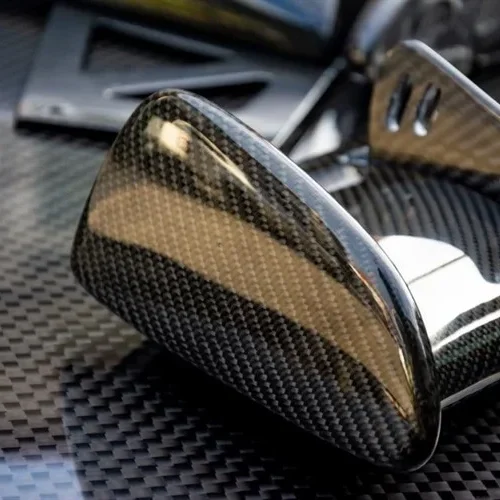
For example, the high strength of carbon fibres is important for structural components of a vehicle/aircraft such as floor beams, wings and stabilisers. The combination of their high strength and light weight means that composites also have one of the highest strength-to-weight ratios of all materials.
02
Durability
Composites can resist damage from moisture and corrosion from chemicals such as acid rain that would otherwise damage alternative metals, and the impacts of rust.
03
Ability to create complex designs
Composites can be moulded into a variety of complex shapes, without the need to use high-pressure tools.
04
Thermal conductivity
Composite materials are also poor conductors of heat and electricity, making them very good insulators for parts where insulation is necessary.
TriMech Composite Engineering Solution
Design, optimise, validate and produce complex composites parts on a single integrated platform, with 3DEXPERIENCE
Learn how the 3DEXPERIENCE Platform allows engineers to design with composites. Developed in partnership with Industry leaders, the 3DEXPERIENCE solution for composites combines, on a single platform, the power of CATIA for virtual product definition. SIMULIA for virtual testing, DELMIA for virtual production, and ENOVIA for end-to-end product lifecycle management.

TriMech Solution
CATIA Composites Design Package
CATIA Composites Design allows designers to take a process-centric solution when designing composite parts, ensuring compliance with composite part design best practices and ensuring the optimal quality.
Benefits of using CATIA Composites Design:
- Manage multi-part geometries better than standard composite design solutions.
- Save money and time by avoiding restarting the design process with automatic updates.
- Predict the behaviour of composites across complex surfaces, taking corrective action where necessary.
- Integrate CATIA CPD across production systems.
Reach Sustainability Goals with Composites
Finding ways to produce products cost-effectively is challenging enough as it is. But now, manufacturers are under increasing pressure to comply with strict environmental regulations to reduce carbon emissions – which is compounded by the need to continually lower costs without sacrificing strength or quality.
One method these companies have employed to combat high costs and high carbon emissions is their use of composite materials in the development of parts and components. Due to their lightweight structure, composites can increase fuel efficiency and hence reduce a vehicle's carbon footprint.
Composite Engineering Software from TriMech
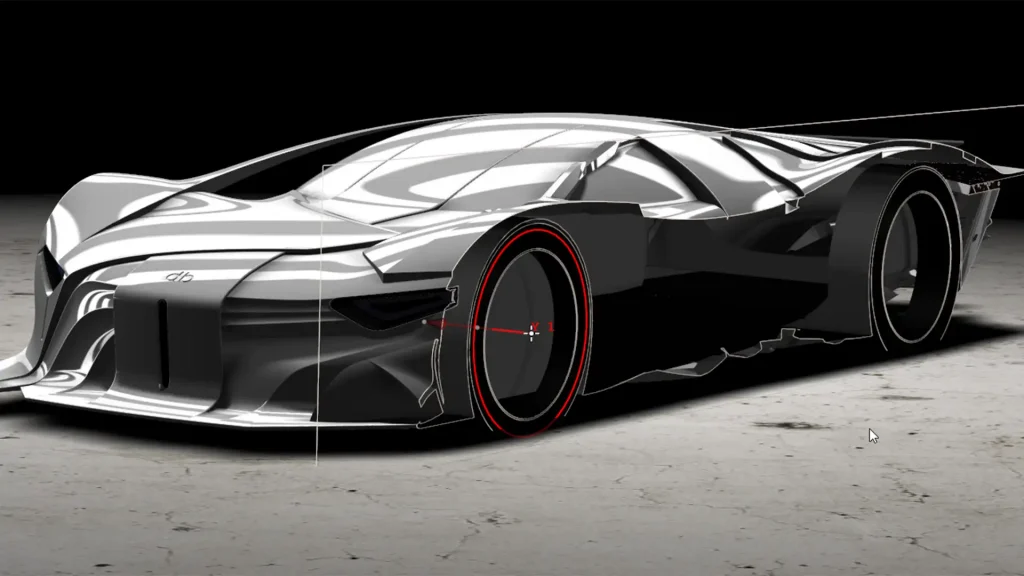
CATIA ICEM Surf
CATIA ICEM Surf allows for Class-A surface design construction phases with extended control and flexibility in defining and analyzing curve & surfaces.
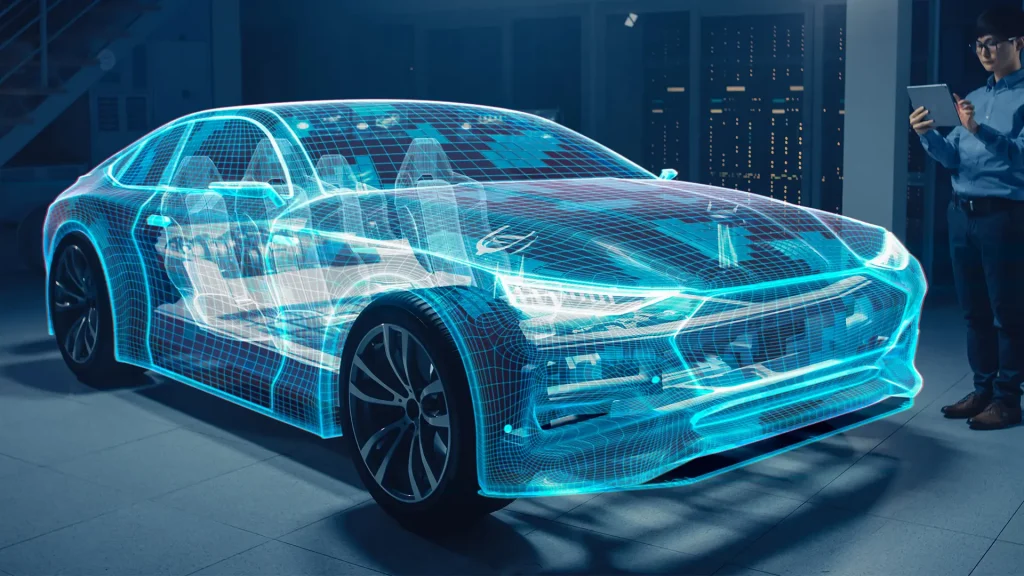
CATIA Software
CATIA is used across a variety of industry sectors including aerospace, automotive, plant design and consumer goods to support all phases of the product development process, shortening development cycles and bringing new products to market faster.
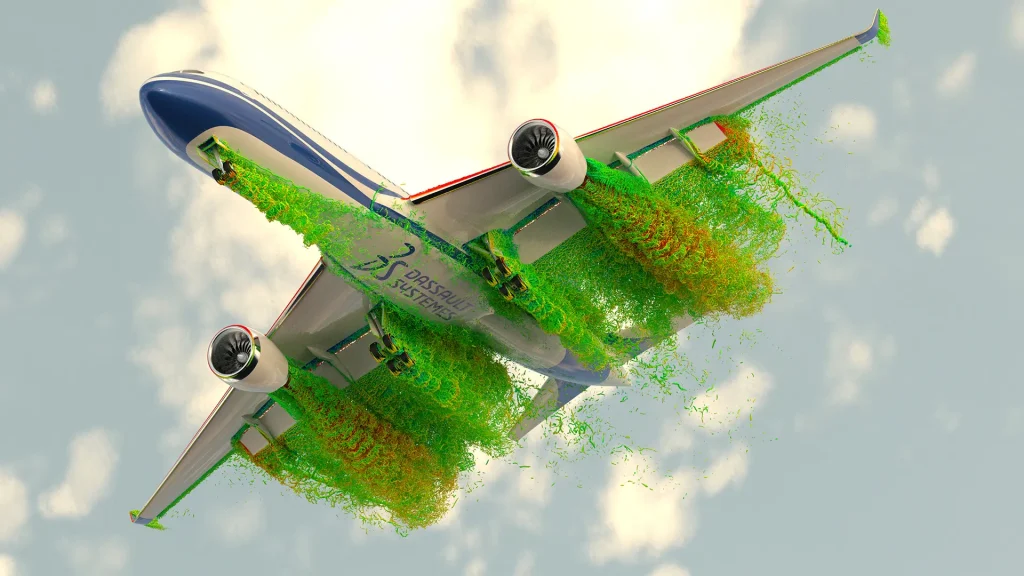
SIMULIA
Engineers and analysts may use SIMULIA FEA, CFD simulation software to help reveal the environment we live in thanks to the 3DEXPERIENCE platform.
Composite Engineering Content
Learn more about Composite Engineering solutions with our resource content:

Rail Vehicle Dynamics: Harnessing the Power of Multibody System Simulation for Rail Applications

A Comprehensive Guide to Requirements Management and Traceability
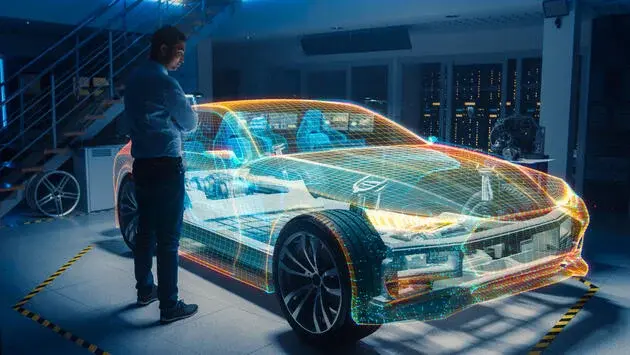
6 Reasons to Adopt Virtual Testing for Vehicle Development

Unlock Collaboration with Integrated PLM Services for SIMULIA

Leveraging Multiphysics Simulation for Enhanced Battery and Cabin Cooling Design
Overcoming EV Challenges: A Deep Dive into Battery Thermal Management through Simulation
eBook: CABIN DESIGN AND BATTERY COOLING

On-Demand Webinar: RF Component Level Simulation